One of the hidden gems in Iloilo Province, Gigantes Island is the kind of place that reminds you life doesn’t always need to be fast, loud, or constantly online.
I’ve stayed in islands around the Philippines — Siquijor, Panglao, Camiguin, Siargao, even Coron, but Isla de Gigantes felt different. Not because it has the whitest sand or the most luxurious resorts, but because it quietly teaches you to slow down.
There’s limited electricity in some areas, weak signal, and not much to do at night except sit outside, talk to locals, listen to waves, or stare at stars. Surprisingly, that became one of my favorite parts.
I visited Gigantes Island in September 2025 during a spontaneous solo trip. I stayed in Roxas City first, then decided last minute to continue exploring. Looking back, what I remember most isn’t only the island hopping, it’s how simple living started feeling like a luxury.
If you’re planning your own trip, this Gigantes Island travel guide covers everything from transportation, itinerary, costs, best things to do, and practical tips before visiting.
Isla de Gigantes at a Glance
Before planning your trip, here’s a quick summary of what to expect in Gigantes Island. It’s useful if you’re deciding whether to visit or comparing it with other island destinations in the Philippines.
- Location: Carles, Iloilo
- Known For: Island hopping, scallops, limestone formations, secluded beaches, caves
- Nearest Airport: Iloilo International Airport and Roxas Airport (closer option)
- Ideal Trip Length: 2D1N–3D2N
- Best Time to Visit: November–May (dry season)
- Mobile Signal: Limited to none in some areas
- Electricity: Limited in some accommodations
- Estimated Budget: ₱3,000–₱6,000+ per person depending on accommodation and tours
- Must-Try Food: Fresh scallops and seafood
- Main Activities: Island hopping, Land tours, Caving, Hiking, Seafood food trips
Compared to more commercial islands in the Philippines, Isla de Gigantes still feels raw and quiet—which is honestly part of its charm.
4 BEST THINGS TO DO IN GIGANTES ISLAND
The best thing about Gigantes Island is that it isn’t only about beaches. You can spend days exploring islands, hiking viewpoints, eating ridiculously cheap seafood, visiting caves, and watching sunsets in places with almost no crowd.
Here are the best things to do in Isla de Gigantes based on my own experience.
ISLAND HOPPING TOUR
Island hopping is easily the highlight of visiting Gigantes Island. You’ll spend almost an entire day moving between white sand beaches, limestone formations, hidden lagoons, and sandbars that only appear during low tide. Out of many island tours I’ve done around the Philippines, this felt one of the most sulit.
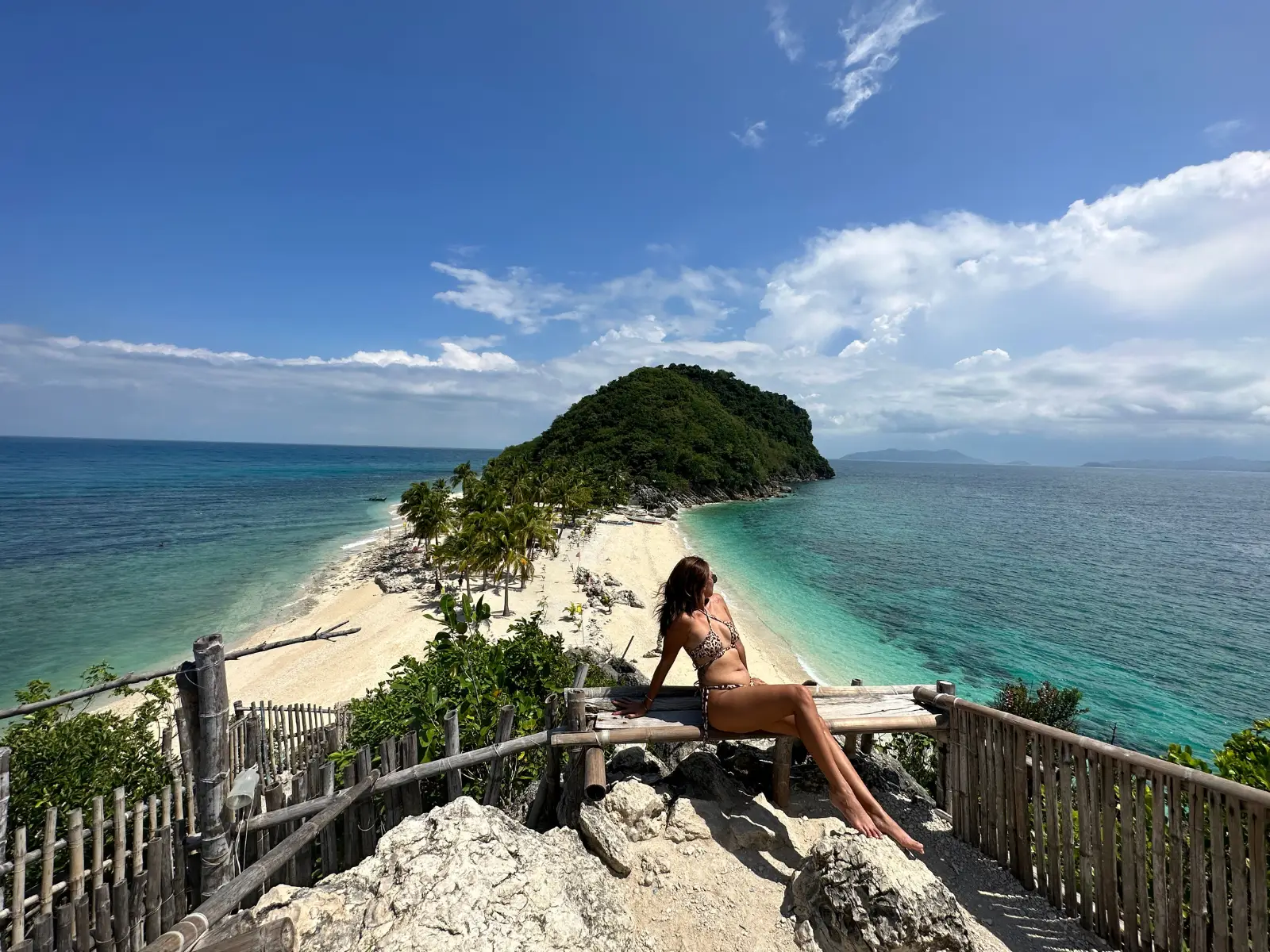
Cabugao Gamay - The Most Famous Island in Gigantes
This is probably the photo you’ve seen online. A tiny island with a viewing deck overlooking white sand, turquoise water, and coconut trees.
Here, tourists climb the limestone cliff through the stairs for a photo. Each group may stay in the viewing deck for 5 to 7 minutes to give others the opportunity as well.
When I visited, there weren’t many people yet, so we stayed longer than expected.
Cabugao Dako
Less famous than Cabugao Gamay but equally beautiful, Cabugao Dako has calmer surroundings and fewer crowds. It’s a good stop if you simply want to swim or relax.
Antonia Island
Antonia is a perfect lunch stop and beach bumming spot.
Antonia Island became one of my favorite stops because it feels slower. White sand, giant limestone rocks, calm waters—you can just sit there after lunch and do nothing. Which sounds boring until you realize it’s actually peaceful.
Bantigue Sandbar
Bantigue is most famous for its long, serpentine white sandbar that only fully appears when the tide is out.
The timing matters here because the sandbar fully appears during low tide. Walking across Bantigue feels unreal, like standing in the middle of the sea with nothing around except white sand and water. Bring a waterproof bag because you’ll probably take too many photos.
Tangke Saltwater Lagoon
Hidden behind towering, dramatic limestone cliffs, Tangke is a natural saltwater pool. The name “Tangke” means “tank” in Filipino, because the cliffs surround it, making it look like a natural container for the water.
Hidden behind towering limestone cliffs, Tangke Lagoon feels almost secret. You enter through a narrow opening, and suddenly there’s calm emerald water surrounded by rocks. It honestly looked like nature accidentally created its own swimming pool.
LAND TOUR
Most people only do island hopping and leave, but the land tour showed another side of Gigantes Island.
My tour included:
- Dragon fruit plantation visit
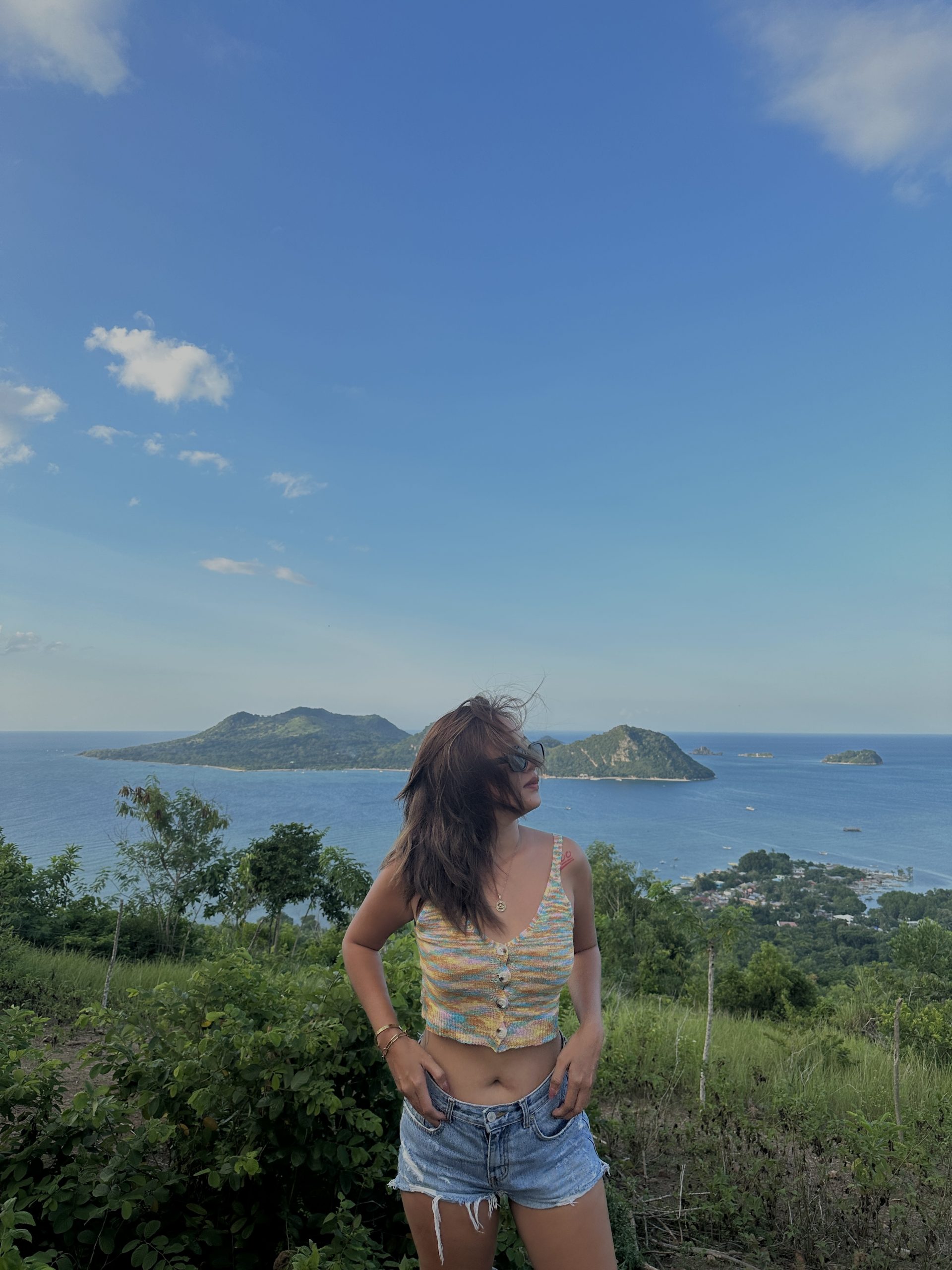
- Hiking to a viewpoint (possibly Lantangan View Deck)
- Whale monument for sunset
- Scallop shell shoreline
The scallop shells surprised me most. Imagine walking on a beach where shells are everywhere because seafood abundance is just normal life there.
The “sleeping whale” monument also became one of my favorite sunset spots. Locals say an actual whale washed ashore there years ago.
CAVING
The “Gigantes” name is said to come from the discovery of large human-sized coffins and bones in the caves, giving rise to the legend of giants.
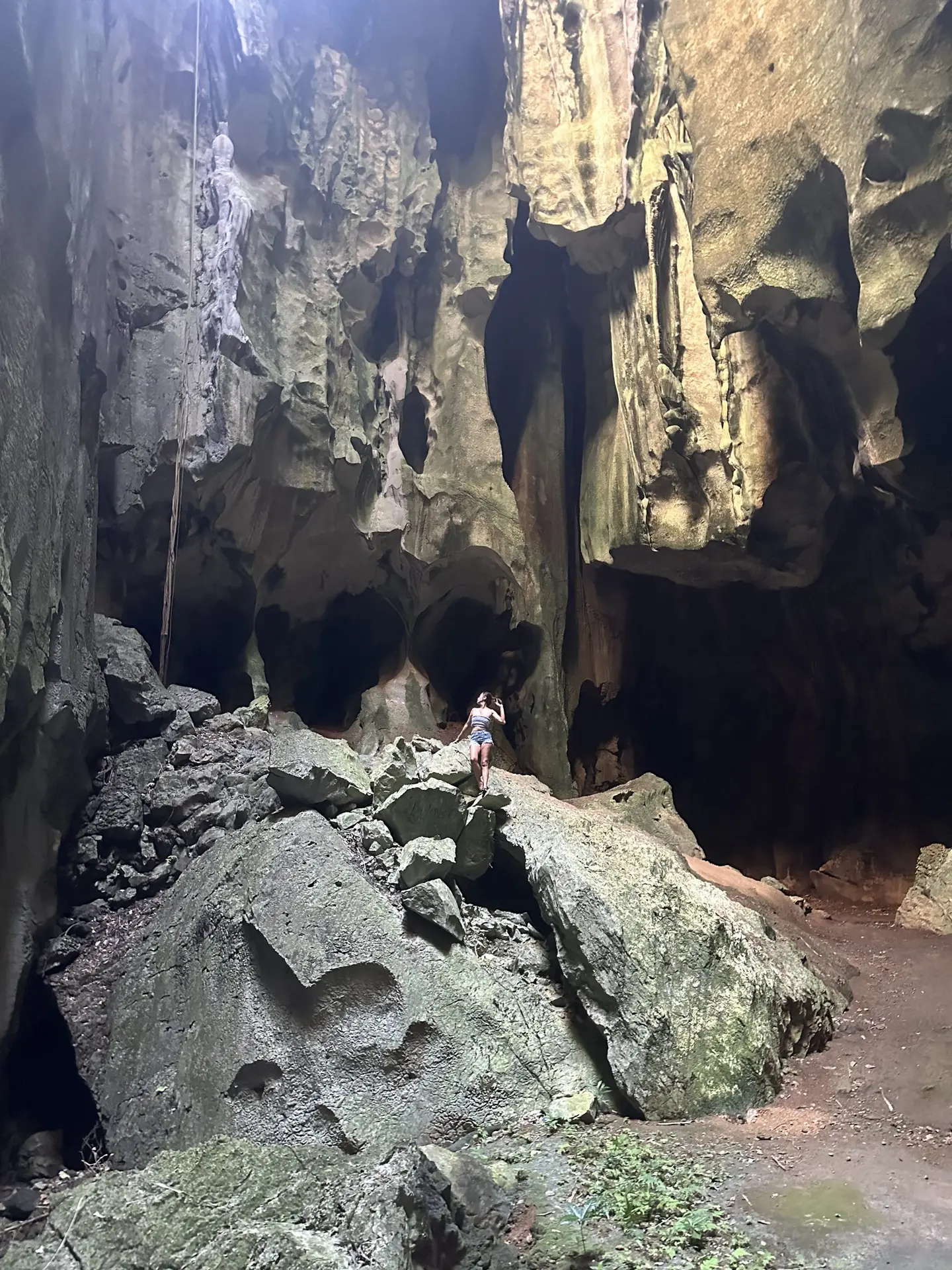
Whether legend or history, caving adds another layer beyond beaches. Just remember to always have a local guide with you for safety and to respect these historical sites.
Bakwitan Cave
Bakwitan means evacuation place. Locals reportedly used the cave during typhoons and wartime periods. Standing there while hearing stories from guides made me realize these caves weren’t only tourist spots—they were survival spaces.
EAT FRESH SCALLOPS AND SEAFOOD
You can’t visit Isla de Gigantes without eating scallops! Coming from cities where scallops feel expensive, seeing huge servings here was almost funny.
The other local delicacy you must try is Wasay-Wasay (Axe Oyster), an unusual-looking shellfish that tastes like a mix between an oyster and a scallop. The coastal area near the main village is indeed littered with scallop shells, testament to the island’s main industry. It’s sad to hear the stories of the compressor divers who risk so much for this abundance, but it makes you appreciate every bite even more.
How To Get To Gigantes Island
Getting to Gigantes Island takes effort, but that’s also why it still feels less commercial. If you’re flying to a nearby airport, here are your options:
From Iloilo International Airport
- → Van/Bus to Carles
- → Tricycle to Bancal Port
- → Passenger boat to Gigantes
From Roxas Airport (Closer)
- → Travel to Carles
- → Bancal Port
- → Boat to Gigantes
I came from Roxas City after staying there for several days. So, here’s my actual route:
- 6:00 AM — Roxas Terminal → Carles (Bus) — ₱210
- Carles → Bancal Port (Tricycle) — ₱80
- Environmental Fee — ₱150
- Passenger Boat — ₱260
- Travel Time to Gigantes — around 2 hours
It was a very spontaneous solo trip. Honestly, some of my favorite trips start exactly like that.
Itinerary and Cost in Gigantes Island
This isn’t a suggested itinerary, it’s my actual 3 days and 2 nights in Gigantes Island.
Honestly, I could’ve stayed longer. But while being a digital nomad gives me flexibility, I still need to work between trips because someone has to fund all these spontaneous adventures 😅.
If you’re balancing travel with remote work or simply don’t have unlimited vacation days, this itinerary might help.
Here’s exactly how my trip went:
Day 1 — Travel to Gigantes Island + Half-Day Land Tour
My journey started early from Roxas City after deciding somewhat spontaneously to continue to Gigantes Island.
- 6:00 AM – Roxas Terminal to Carles. Bus Fare: ₱210. The ride was several hours, but honestly, Philippine road trips somehow become part of the experience.
- Carles to Bancal Port. Tricycle Fare: ₱80
- Bancal Environmental Fee
₱150 - Passenger Boat to Isla de Gigantes. Boat Fare: ₱260. Travel Time: Around 2 hours.
Afternoon: Half-Day Land Tour
Tour Cost: Around ₱500
Activities included:
- Visiting a dragon fruit plantation (sadly no harvesting season during my visit)
- Hiking to a view deck overlooking nearby islands
- Visiting the sleeping whale monument
- Watching sunset by the coast
- Walking on shorelines covered with scallop shells
The sunset stop ended up being one of my favorite moments because everything felt unusually quiet. Sometimes, slower trips stay longer in my memory.
Day 2 — Island Hopping + Caving Adventure
The second day was packed and easily became the highlight of my trip.
Whole Day Island Hopping Tour Package: ₱8,200
(Included accommodation in my case since the owner also handled tours)
Main stops included:
- Cabugao Gamay – ₱50/head entrance fee and 350/head for overnight
- Antonia Island
- Bantigue Sandbar
- Tangke Saltwater Lagoon
- Other nearby islands depending on weather and tide conditions
Expect lots of swimming, transferring between boats, and taking too many photos.
After island hopping, I still had enough energy (surprisingly) for another activity.
Afternoon: Caving Experience
Guide Fee: ₱500
I explored Bakwitan Cave, learned local stories behind Gigantes’ name, and saw how caves once became shelter for residents.
By evening, I was exhausted in the best way possible.
Day 3 — Departure from Gigantes Island
The last day was mostly travel.
- Motor transfer — ₱80
- Passenger boat — ₱270
- Van (Estancia to Iloilo) — ₱500
Leaving felt bittersweet because Gigantes Island is one of those places where life suddenly becomes simpler for a few days, and then you go back to notifications, deadlines, and normal routines.
Surprisingly, the 3D2N in Gigantes Island turned out to be enough enough to experience island hopping, explore inland attractions, visit caves, and still slow down a little.
Things To Know Before Visiting Gigantes Island
Before going to Gigantes Island, manage your expectations.
- Electricity may only run during certain hours
- Mobile signal can be weak or unavailable
- Bring enough cash
- Weather affects boat schedules
- Pack waterproof bags
- Bring power banks
This isn’t the destination for luxury convenience. It’s for people who enjoy slower places.
Frequently Asked Questions
Yes especially if you enjoy less commercial destinations.
If Siargao feels too crowded or Coron too expensive, Gigantes Island offers a quieter experience.
I’d recommend 3D2N to experience island hopping, land tours, and slower island life.
Based on my experience as a solo traveler, locals were accommodating and I felt safe. Still, use normal precautions you’d use anywhere.
I expected beautiful beaches on Gigantes Island. What I didn’t expect was leaving with a different appreciation for simple living.
Less electricity. Less scrolling. Fewer distractions.
Some places impress you because they’re grand. Others stay with you because they quietly remind you what enough feels like. Isla de Gigantes became that kind of place for me.