When people talk about freediving destinations in Davao Region, places like Samal Island and Mati usually come to mind first. Tagum City, on the other hand, isn’t exactly known for its underwater attractions (at least not yet).
So when I came across a freediving event called Seasid Tagum on Facebook, I became curious.
I was actually torn between attending Baydeep Mati and Seasid Tagum. Mati has always been one of my favorite places to freedive near Davao City, but the purpose behind Seasid Tagum has really convinced me to join. Beyond the fundive itself, the event focused on marine protection, coastal conservation, and environmental awareness. It’s something that resonates deeply with me as both a traveler and a freediver.
About Seasid Tagum
Organized in partnership with The Trinity Project of Tuason Development Foundation, Hijo Resorts Davao, and the local government of Tagum, a portion of the Seasid Tagum event proceeds will support the creation and installation of artificial coral reefs within the city’s Marine Protected Area.
More than just a freediving gathering, it was an opportunity to learn about the ongoing efforts to protect and restore Tagum’s marine ecosystem, especially in the Marine Protected Area.
Where to Freedive in Tagum
Tagum City is only beginning to explore and promote its underwater resources. Unlike more established diving destinations in the Philippines, like Bohol, Siquijor, Batangas, and Palawan, there are currently limited sites available for recreational freediving and scuba diving.
If you’re specifically looking for more developed dive sites near Tagum, freediving in Samal Island and Mati remain the most popular options.
However, for those interested in environmental initiatives and discovering emerging underwater destinations, Hijo Port offers an interesting glimpse into Tagum’s growing aqua tourism potential.
Hijo Port
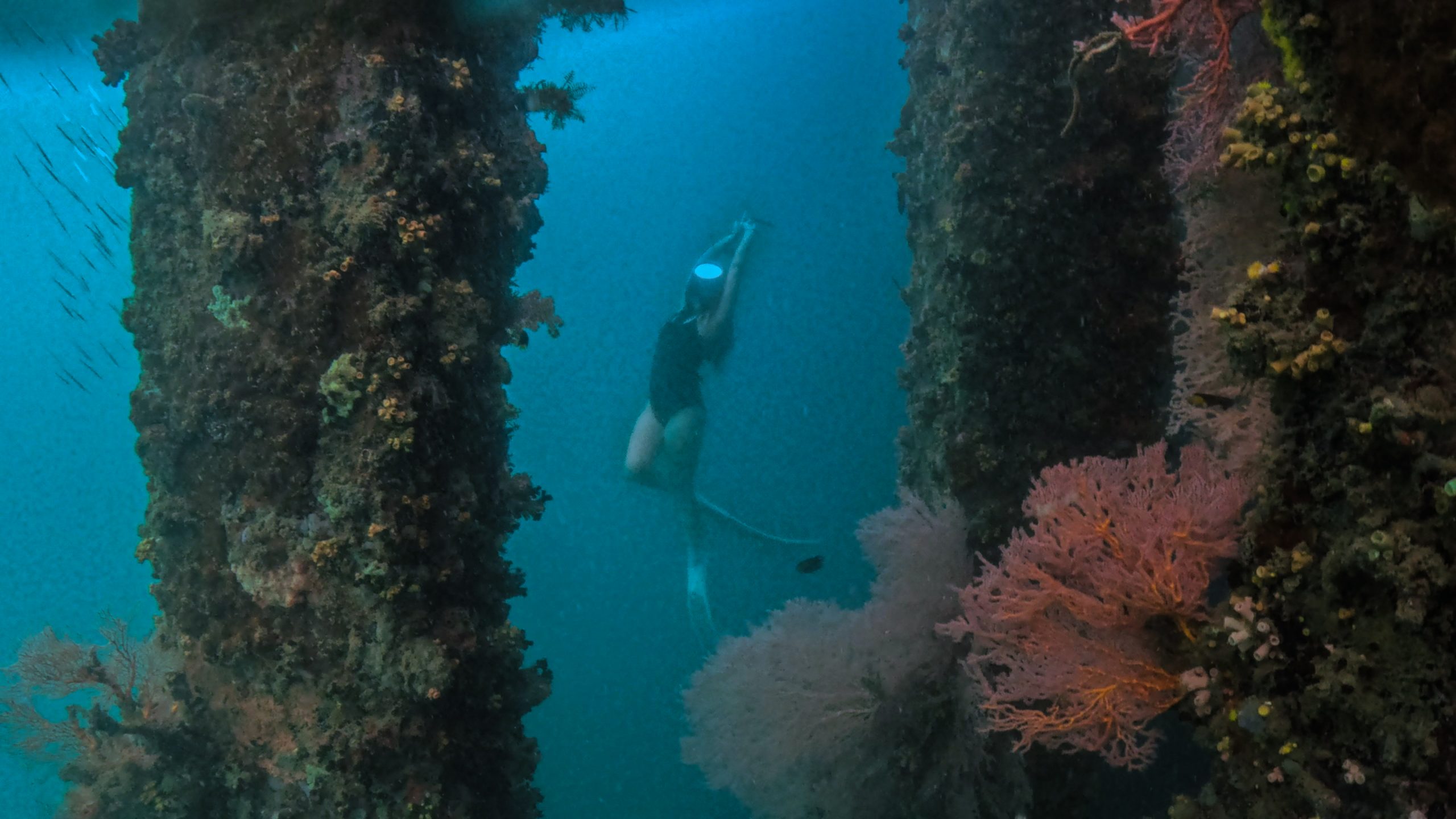
Our dive took place around the pillars of Hijo Port, a private port located just a five-minute boat ride from Hijo Resorts Davao.
This was my third port dive experience, and while the site isn’t as established as some of the other port dives I’ve explored, particularly in Dumaguete, it immediately caught my attention because of its potential.
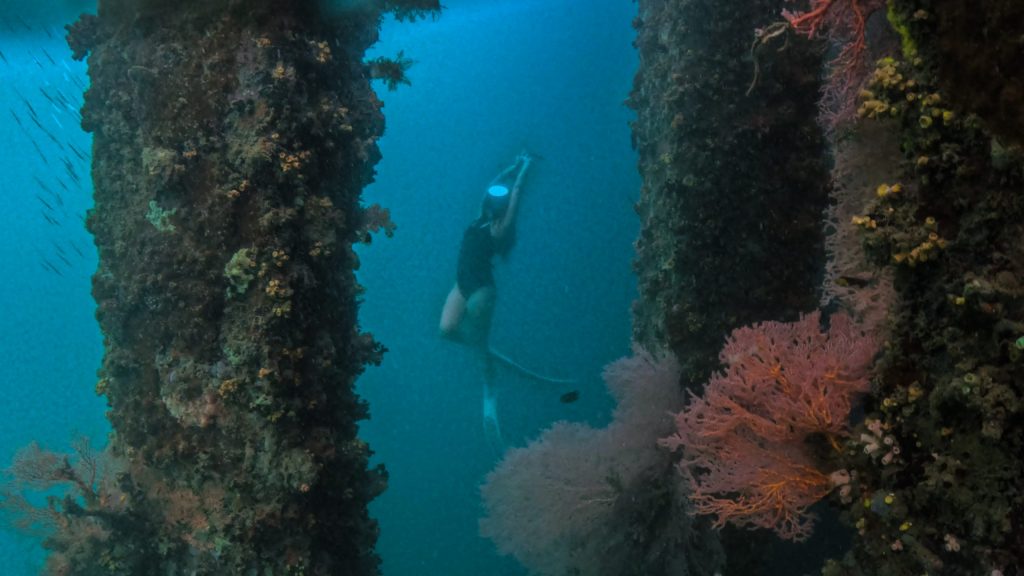
Young corals are steadily taking hold around the port structures, creating habitats for small reef fish and other marine life. While biodiversity is still relatively limited compared to more mature reef systems, there is something fascinating about witnessing an ecosystem in its early stages of growth.
You can already spot sea fans, juvenile fish, and pockets of marine life beginning to establish themselves around the pillars. The depth of Hijo port ranges from approximately 7 to 10 meters deep, making it suitable for beginner freedivers. For the best visibility, early morning dives are highly recommended, ideally around sunrise.
What struck me most wasn’t necessarily what the site is today, but what it could become in the future.
While the event aims to introduce more underwater activities in Tagum, it also highlights the importance of protecting these environments as they develop. Seeing the young coral growth made me reflect on how delicate the balance between exploration and conservation can be.
How to Go to Hijo Port
At the moment, the easiest way to visit Hijo Port is through organized activities and conservation-focused events.
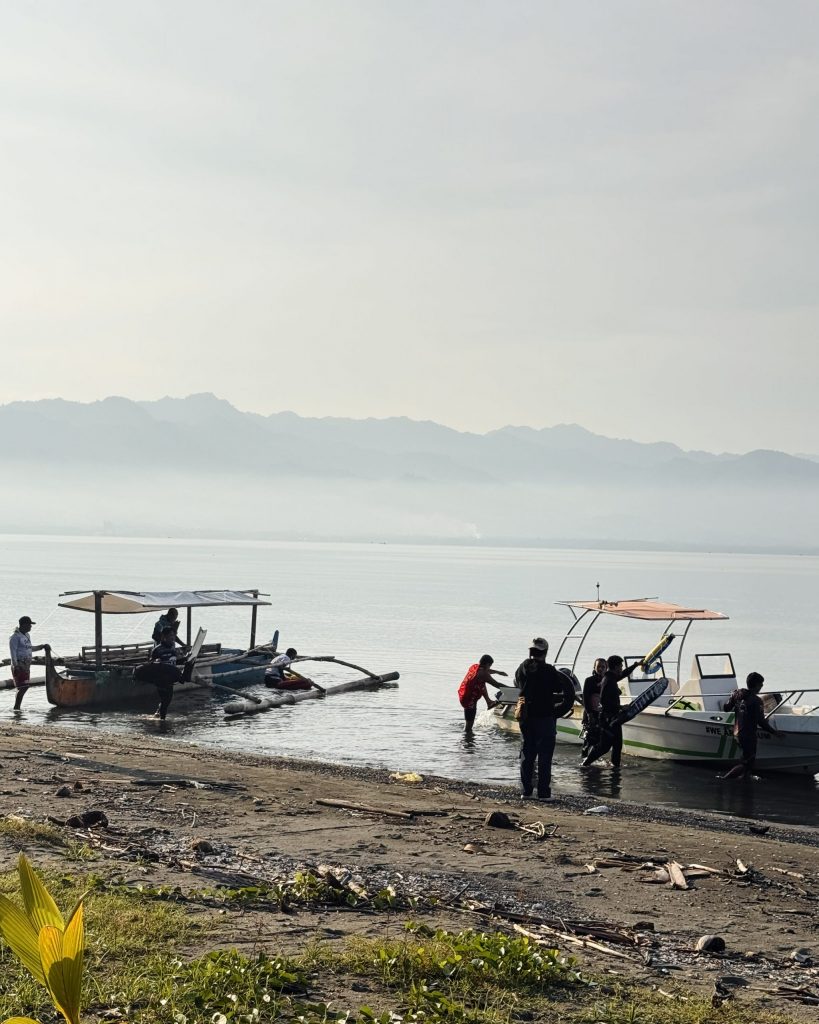
If you’re interested in diving the site or learning more about marine conservation initiatives in the area, I recommend contacting The Trinity Project through their official Facebook page. They can provide updates regarding future activities and visitor arrangements.
Hijo Resorts Davao and Banana Beach
Located in Barangay Madaum, Hijo Resorts Davao serves as the main gateway to many of the environmental initiatives taking place in the area.
Beyond being a resort destination, the property is home to both forest and marine sanctuaries. Through the efforts of The Trinity Project, artificial reef installations and marine rehabilitation activities continue to support local conservation efforts.
Even outside of freediving, the area offers opportunities to learn more about environmental protection, mangrove conservation, and coastal ecosystem restoration.
About The Trinity Project
One of the most inspiring parts of the event was learning more about The Trinity Project. This environmental conservation initiative of the Tuason Development Foundation focuses on protecting and restoring three interconnected ecosystems within the Hijo area: seagrass meadows, coral reefs, and mangrove forests.
Their work serves as a reminder that marine conservation isn’t limited to coral reefs alone. Healthy coastal ecosystems depend on the relationship between these habitats, each playing a vital role in supporting marine biodiversity.
Where to Stay in Tagum
If your main purpose is to participate in activities around Hijo Port, staying at Hijo Resorts Davao would be the most convenient option.
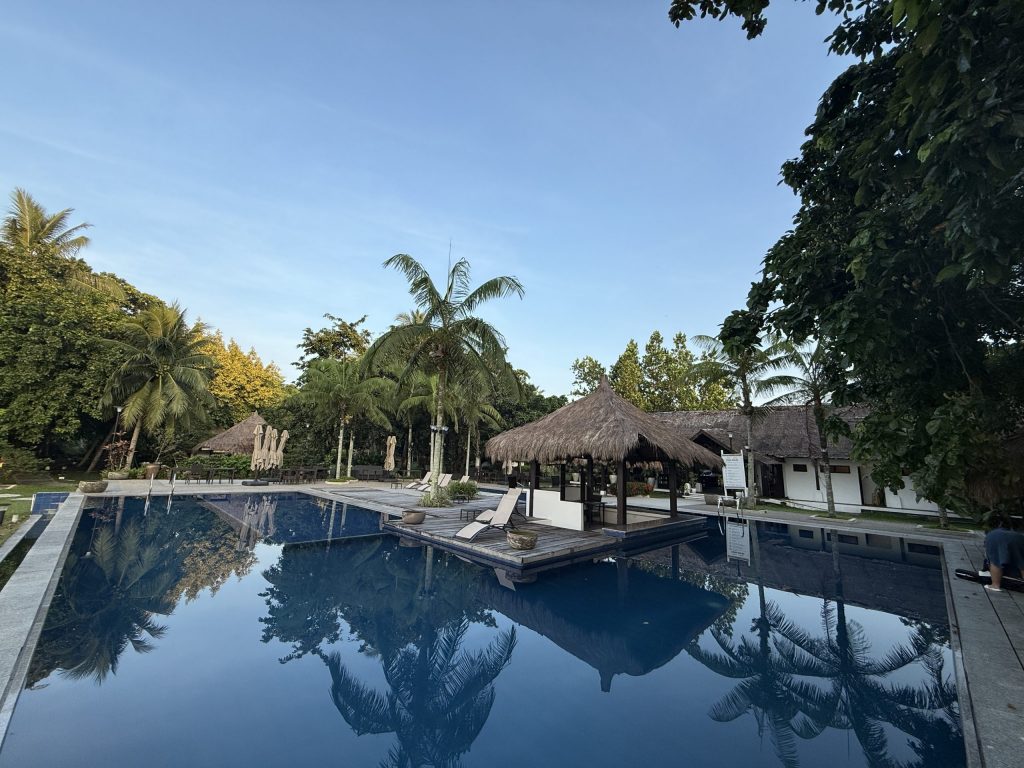
Although I didn’t get the chance to fully explore the property during my visit, I was surprised by how expansive it is. Between the forest sanctuary, marine sanctuary, and conservation programs, it’s the kind of place that encourages guests to slow down and appreciate the natural environment around them.
My Personal Reflection from the Seasid Tagum Dive Event
One thing I appreciated about Seasid Tagum was that it wasn’t simply a fundive. Beyond exploring Hijo Port, participants also attended discussions about marine protection and coastal conservation. It transformed the experience from a recreational activity into an opportunity for learning and reflection.
Here are my thoughts and opinion.
Can Exploration and Conservation Truly Coexist?
After listening to the conservation talks and spending time underwater, I found myself asking a question I don’t think about often enough:
Can exploration and conservation truly coexist? I believe they can, but only when managed responsibly.
Tourism can create awareness, provide livelihoods, and inspire people to care about the ocean. At the same time, increased visitation can place pressure on environments that are still growing and recovering.
The challenge isn’t choosing one over the other. The challenge is finding ways for both to exist together.
What Does Sustainable Marine Tourism Look Like as a Freediver?
As freedivers, we often talk about our love for the ocean. But loving the ocean also means taking responsibility for how we interact with it.
For me, sustainable marine tourism starts with simple habits: using reef-safe sunscreen, reducing single-use plastics, bringing reusable utensils and water bottles, supporting conservation efforts, and joining environmental cleanups whenever possible.
Most importantly, it means being mindful underwater. A single careless kick may seem insignificant, but when repeated hundreds or thousands of times, the impact becomes much larger.
Why Does Protecting Growing Underwater Ecosystems Matter?
One thought stayed with me long after the dive.
In recent years, social media has made it easier than ever to discover beautiful places. As someone who creates travel content myself, I completely understand the excitement of finding a new destination and wanting to share it with others.
I used to chase newly discovered dive sites too. But over time, I’ve started looking at these places differently.
Seeing how quickly attention can transform a location has made me wonder whether some sites need time to grow before receiving widespread exposure.
This doesn’t mean we should stop sharing beautiful places. Awareness often inspires appreciation, and appreciation can lead to conservation.
But perhaps responsible travel also means thinking about how we share places, not just how we visit them.
Is Freediving in Tagum Worth It?
Yes, but manage your expectations. If you’re expecting a fully developed reef system, Hijo Port may not immediately impress you.
However, if you’re interested in seeing a developing underwater ecosystem and learning about local conservation efforts, the experience offers something different.
For me, the value wasn’t simply the dive itself. It was the opportunity to witness a site with potential while learning about the people working to protect it.
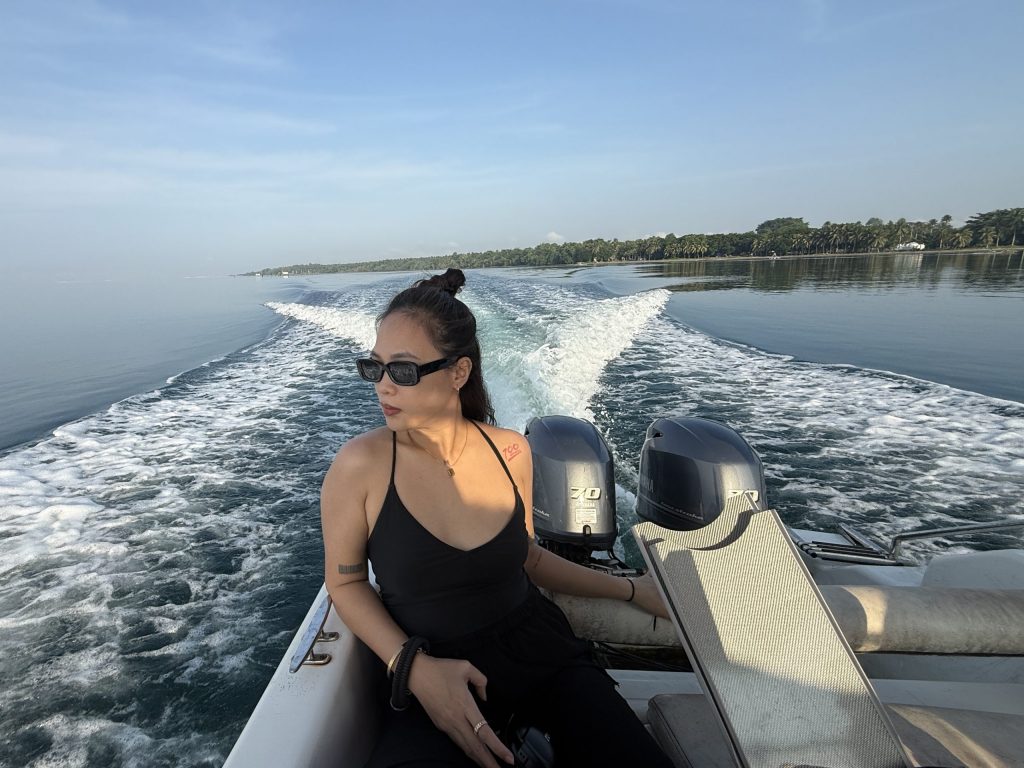
Seasid Tagum showed me that freediving events can be more than recreational gatherings. They can become platforms for education, conservation, and meaningful conversations about how we interact with the ocean.
As Tagum begins exploring its potential for aqua tourism, I hope marine protection remains at the center of that growth. The young coral communities around Hijo Port deserve the time, care, and protection needed to fully establish themselves.
I’m excited to see how the area develops in the coming years, and I’m grateful to have been part of an event that reminded me why protecting the underwater world matters in the first place.
After all, we are only visitors beneath the surface.