MOUNT APO HIKING GUIDE 2026: Best Trail for Beginners, 3D2N Itinerary, Essential Packing List, and Expenses
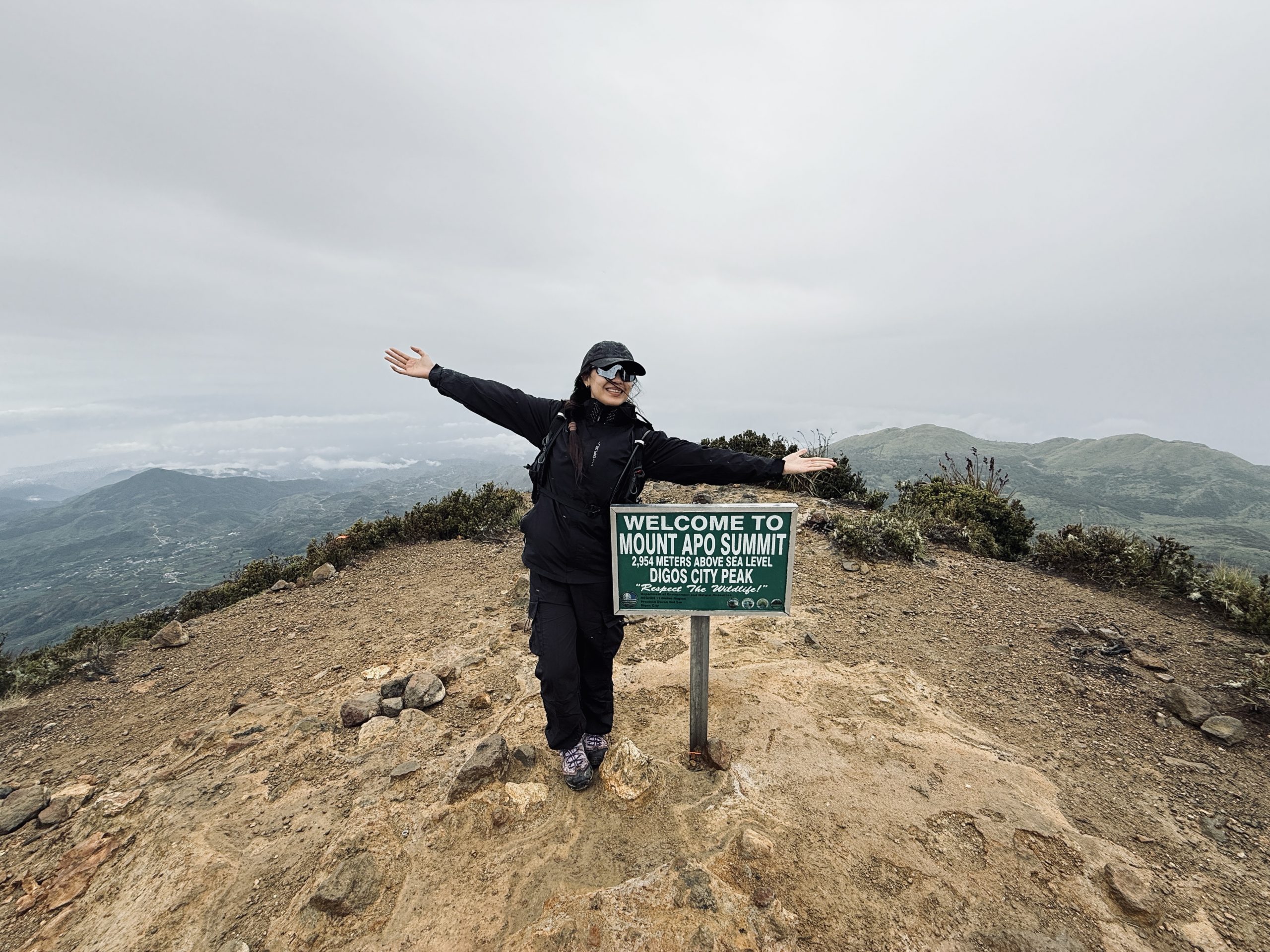
I finally did it! I stood on top of Mount Apo, the highest mountain in the Philippines.
If you finally want to summit the Grandfather of the Philippine Mountains as a beginner to add to your hiking bucketlist, this is your ultimate Mount Apo hiking guide. I’m sharing my raw experience—the sweat, the sulfur, and the sheer joy of reaching the top.
Blog Chapters
🏔️ MOUNT APO FAST FACTS
Located in Mindanao, it’s as breathtaking as it is challenging. For many Filipino hikers, reaching this summit stays with them even after they’ve descended. At least, it was for me.
Elevation: 2,954 meters above sea level (The highest peak in the Philippines!)
Exit Points: Typically Sitio Balutakay (Bansalan) or the same as the jump-off point for circuit treks.
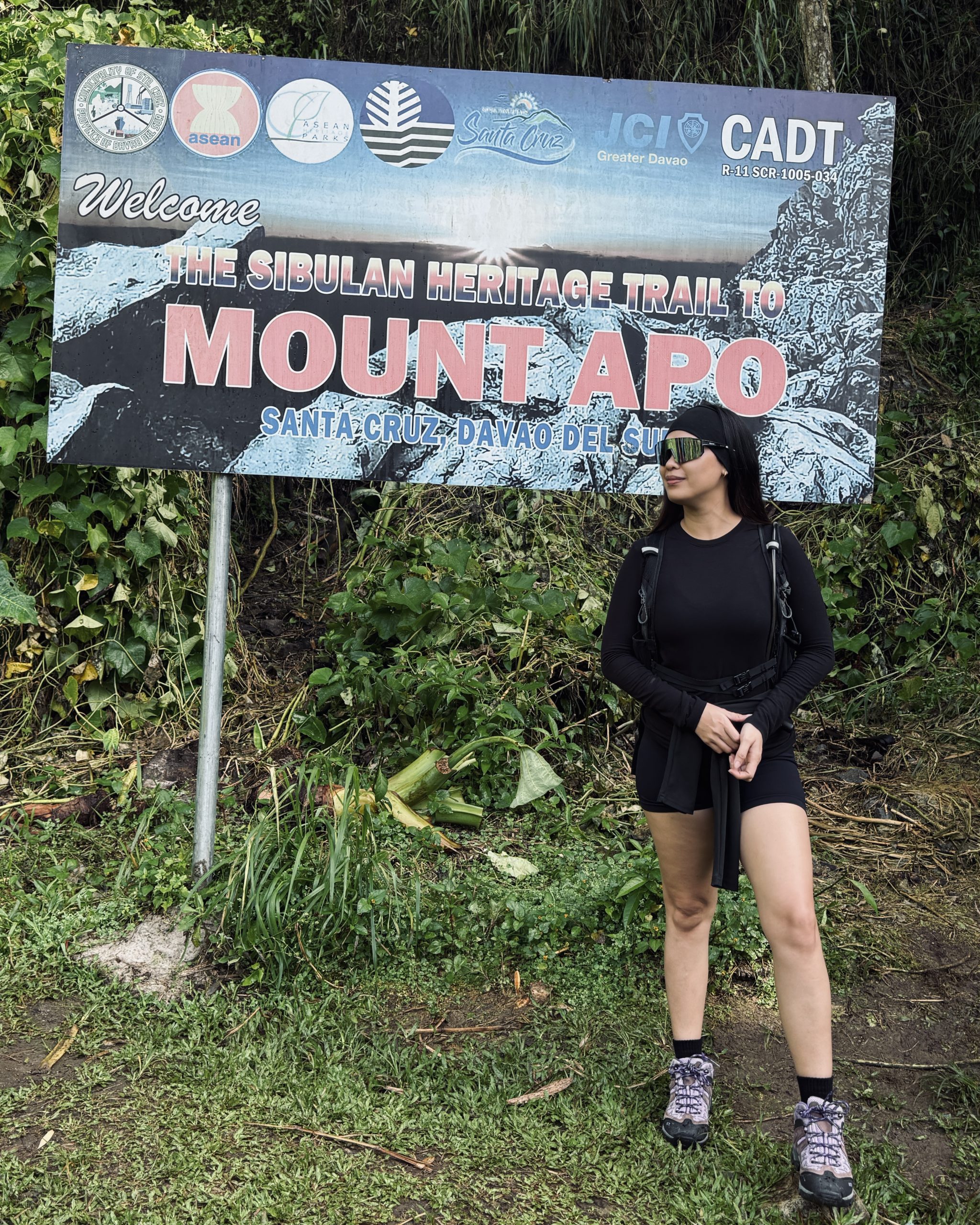
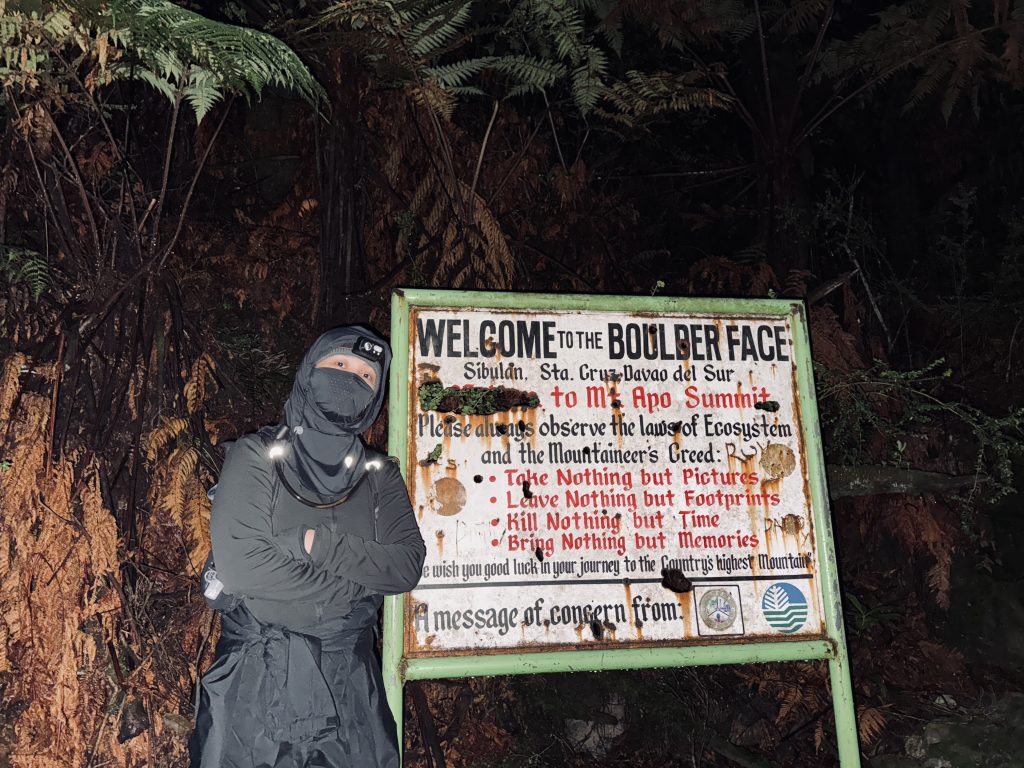
Major Trails: Sta. Cruz Trail (The Boulder Face), Bansalan Trail, and Kapatagan Trail.
Hours to reach summit (via Sta. Cruz Trail): 10–14 hours (spread over 2 days in a 3D2N itinerary).
Hours to reach summit (via Sta. Cruz Trail) if day hike: 7–9 hours of intense, non-stop trekking (strictly for elite/pro hikers).
Hours to reach summit (via Bansalan Trail): 9–12 hours.
Hours to reach summit (via Kapatagan Trail): 9–11 hours.
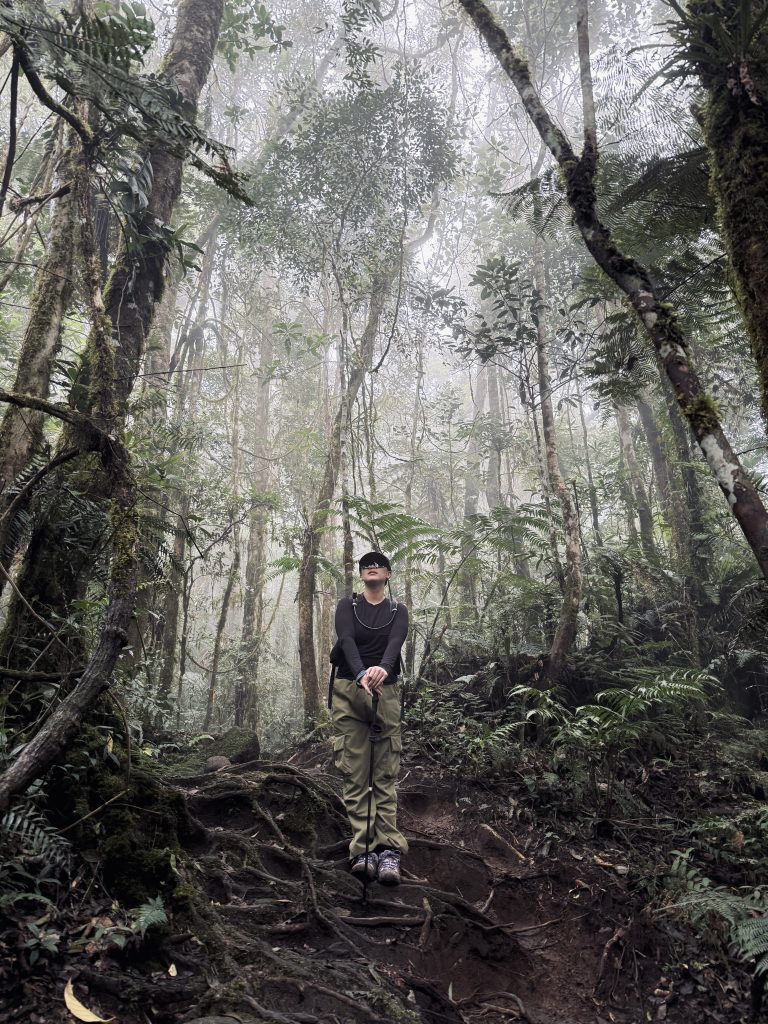
Trail Features: Mossy rainforests, giant ancient tree roots, the iconic white sulfur Boulder Face, volcanic vents (sulfuric fumes), the 87 degrees climb, and a 500-meter-wide crater lake.
The Three Peaks of Mount Apo
There are actually three distinct peaks you can reach: Digos Peak, Kapatagan Peak, and Kidapawan Peak (which is the true summit and “Mother Peak”).
Do you need to summit all three peaks of Mount Apo? No. If your body is exhausted, don’t force it—descending and re-ascending between peaks takes a toll. Yes, if you feel strong and have the energy!
I personally chose not to summit all three because my legs were finished. I like to think of it as a reason to come back and try a different trail next time!
The Mount Apo Boulders
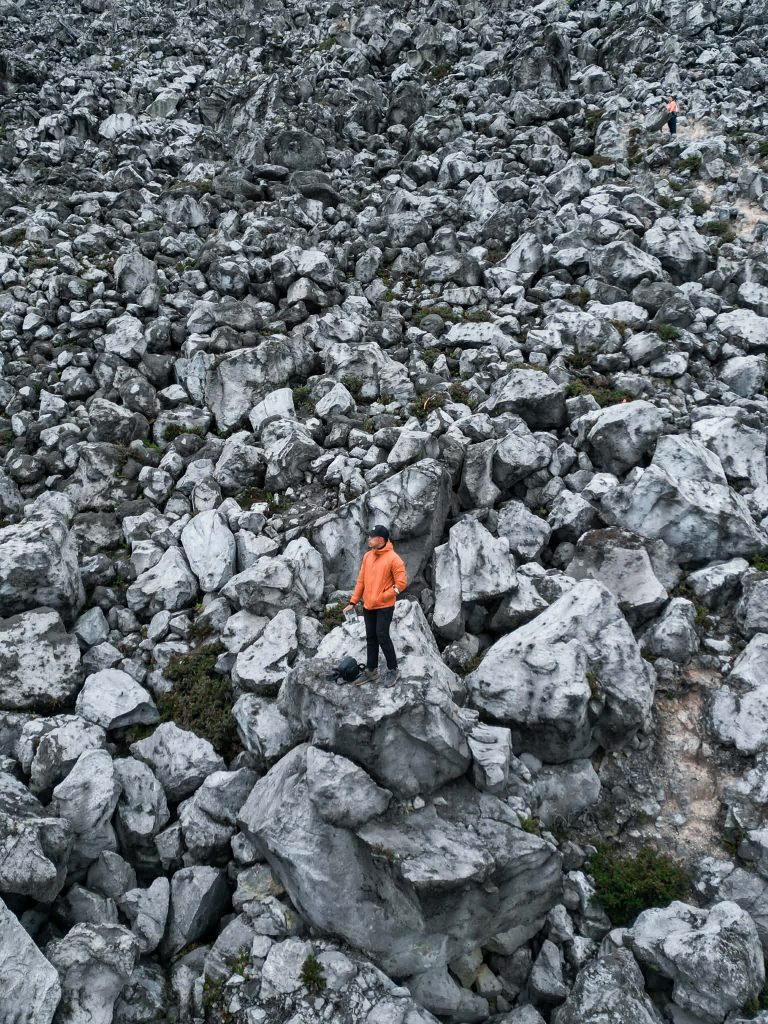
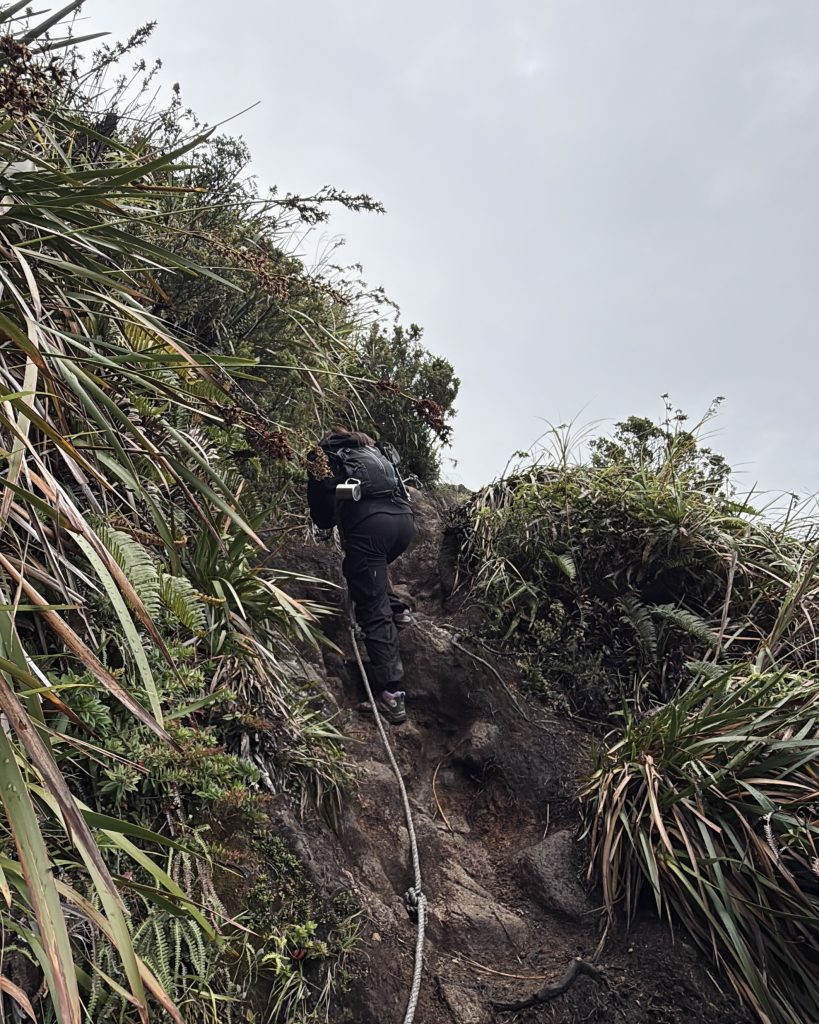
The Mount Apo boulders is considered the most challenging part of the ascent on the Sta. Cruz trail, which requires significant, often technical, physical, and mental effort to navigate.
📸 @callmeayer on IG
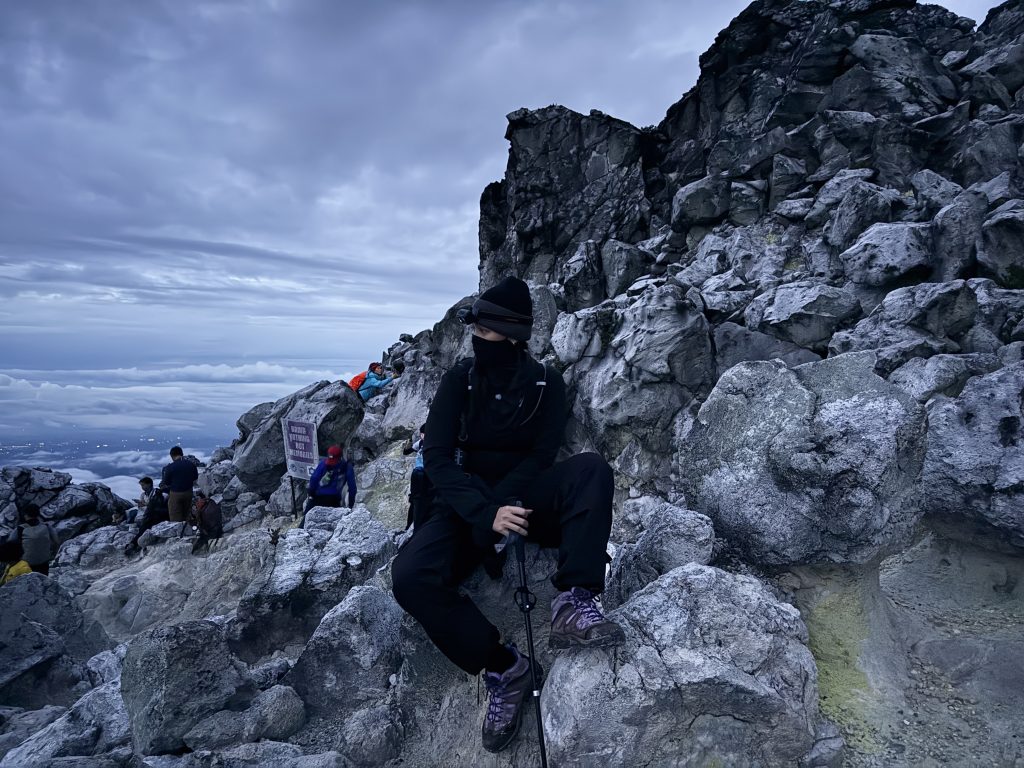
The boulders are famous for their distinct white color, giving the mountain a snowy appearance from a distance. You’ll pass active vents (fumaroles) where yellow sulfur crystals form and steam hisses out from the earth.
Unlike a regular forest trail, this part requires you to use your hands and find your footing on rock faces. As you climb higher through the boulders, you get the most breathtaking, unobstructed views of the clouds rolling in below you.
The Mount Apo Crater
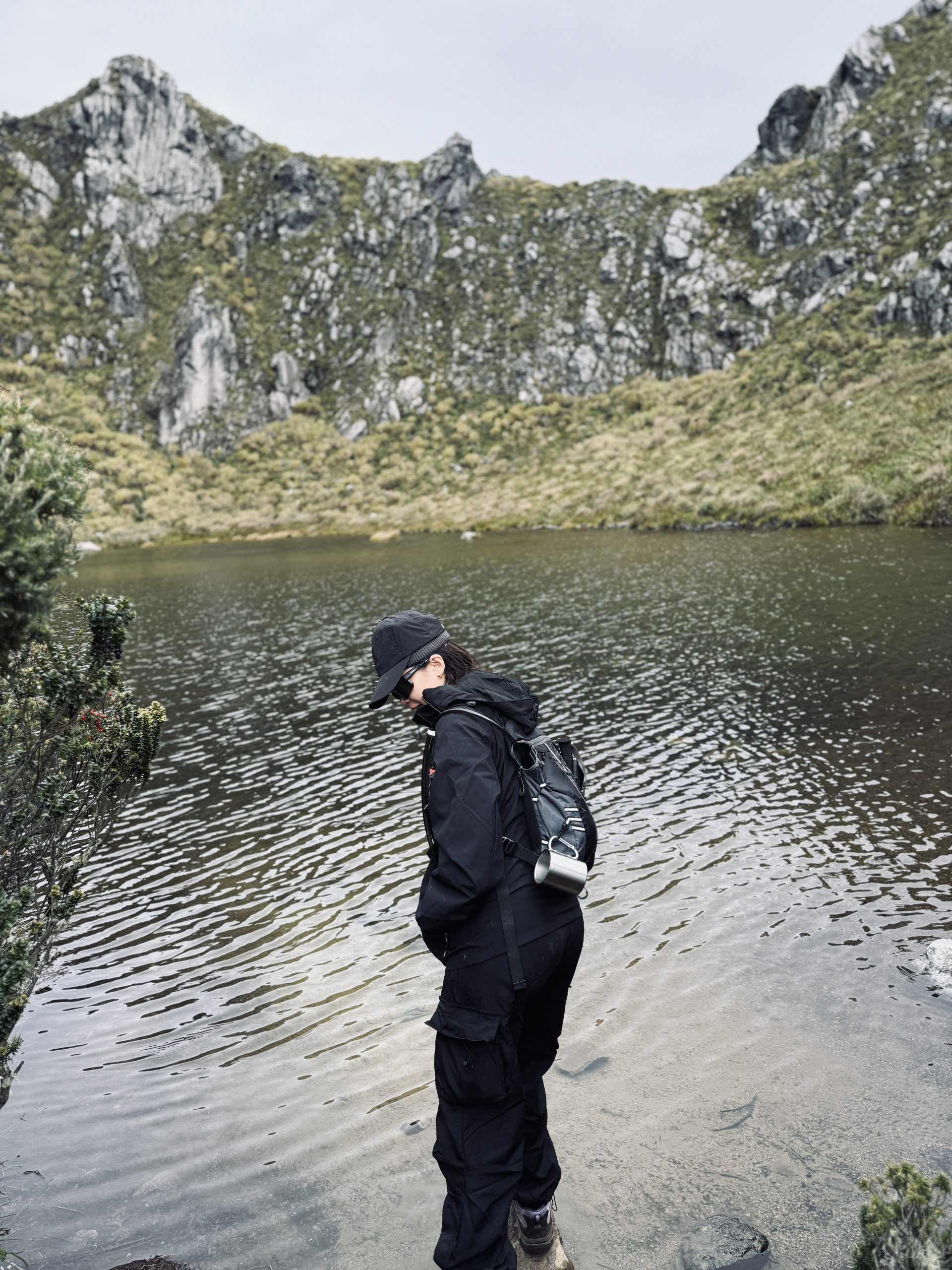
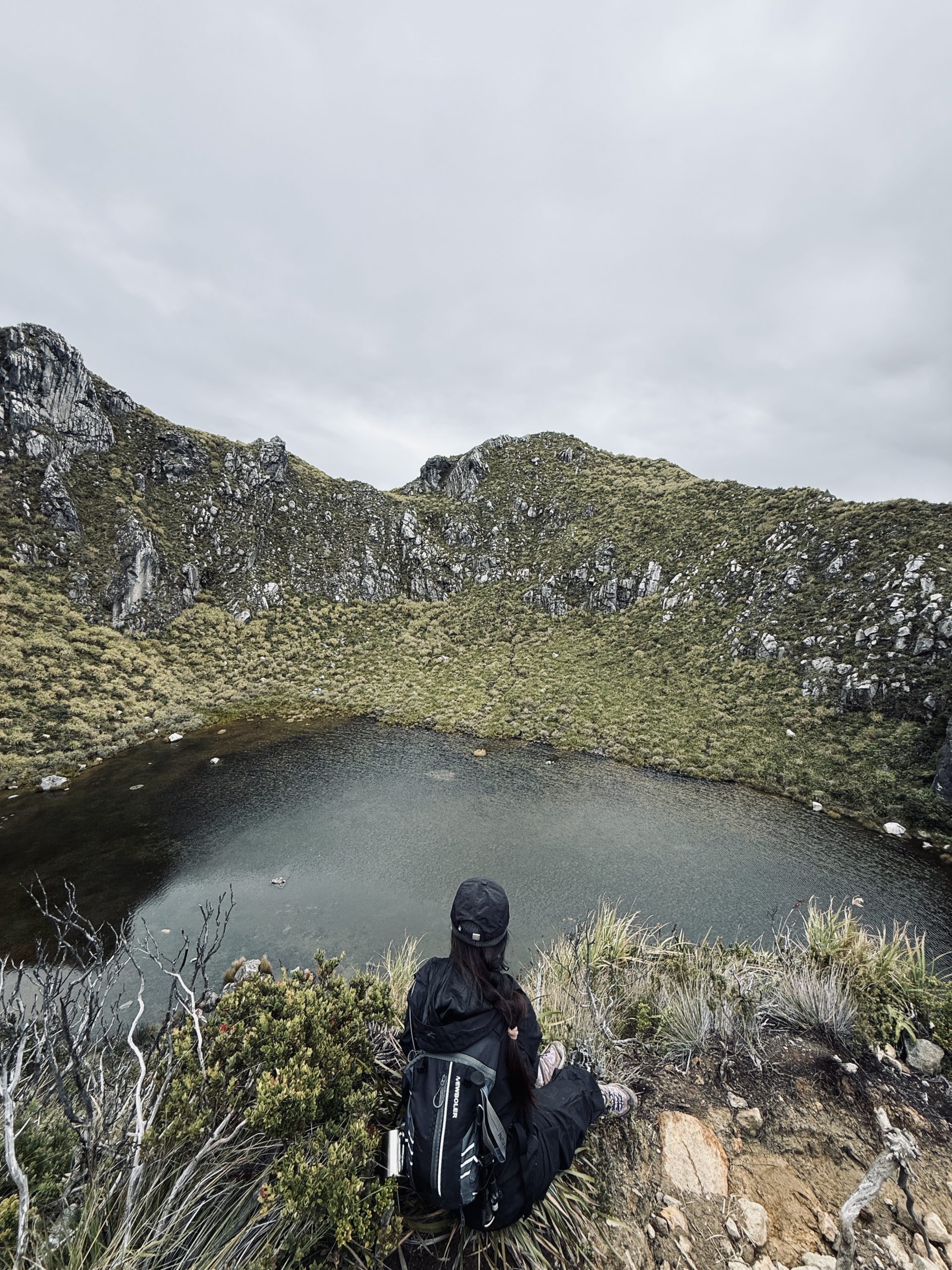
Reaching Mount Apo’s crater for the first time felt like I had finally reached the edge of the world. After the long, dusty trek up, seeing that 500-meter-wide volcanic bowl on the southwest side filled with water was such a lucky surprise.
I’ve heard from other hikers that it’s often bone-dry—a place where you can actually walk across the center—but seeing it as a shimmering lake made the climb feel even more magical. It was quiet, raw, and so incredibly pretty that I just sat there for a while, soaking in the view and feeling so grateful that the mountain decided to show me its “water” side on my very first visit.
Route Overview to the Summit of Mount Apo
Hiking Mount Apo isn’t just a walk in the park. It’s a mix of everything.
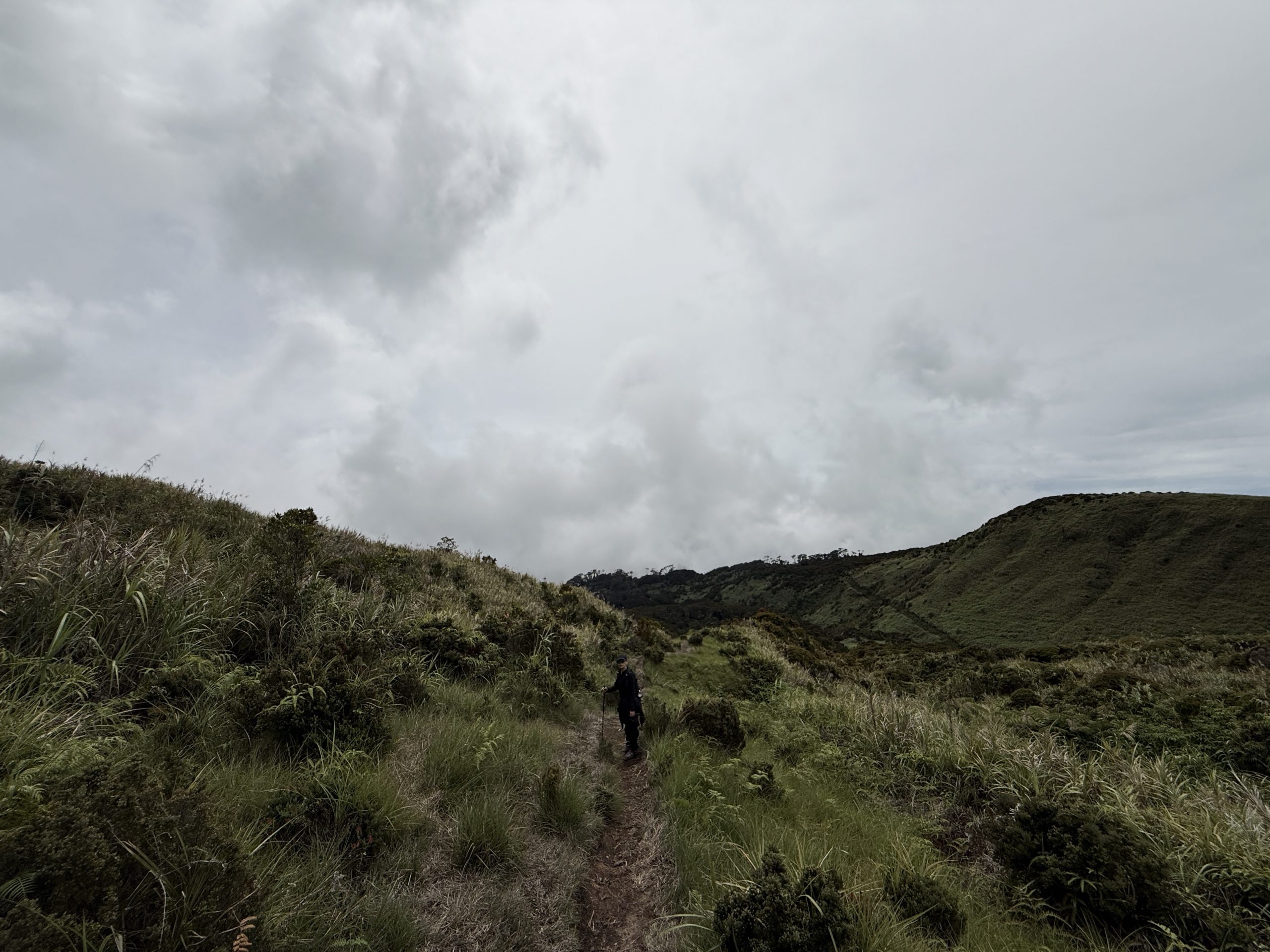
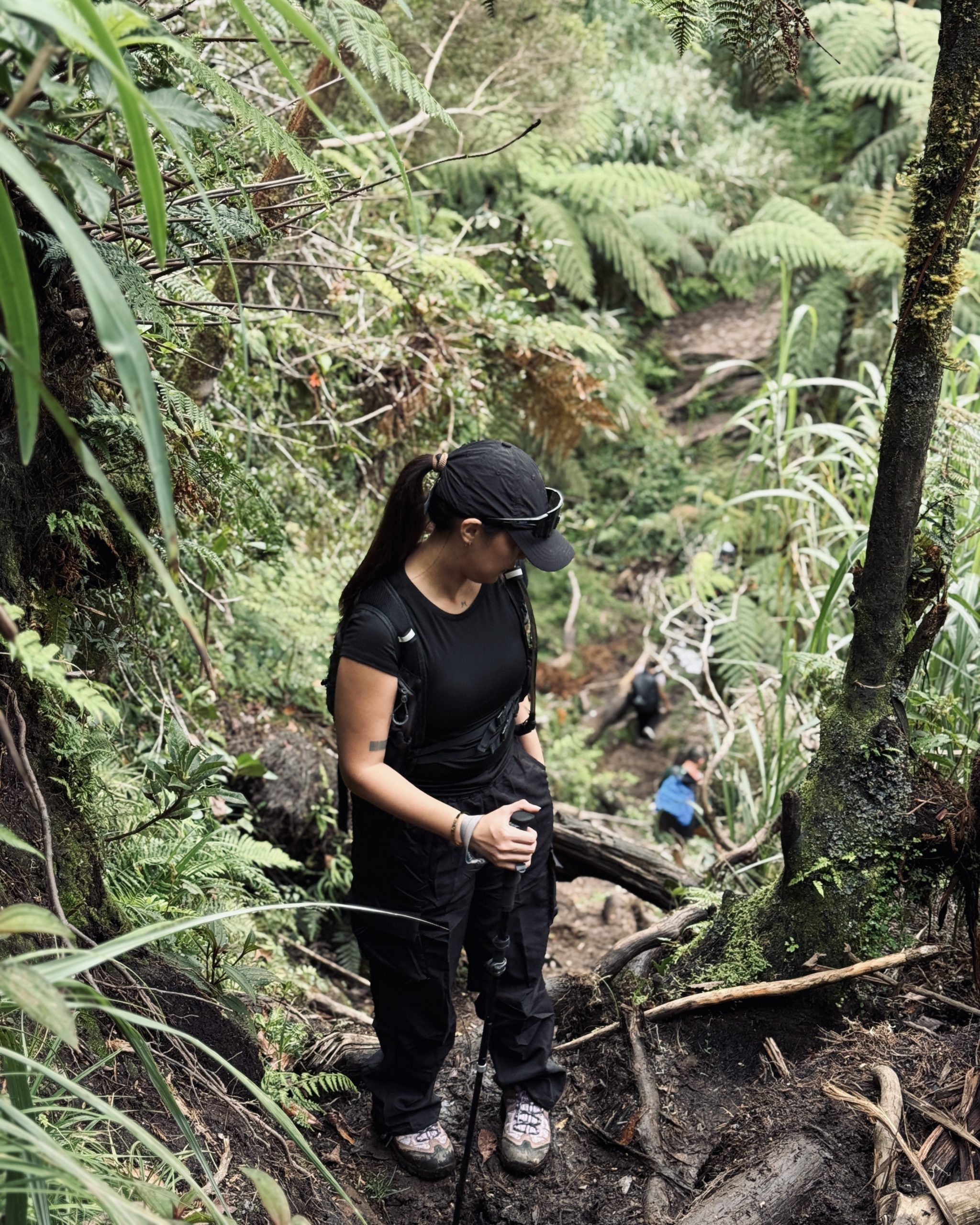
It involves passing through many challenges. The trail was relentless, shifting between dense forests and slippery slopes — from open trail, rainforest with massive roots you have to climb over, crossing the famous boulders characterized by sulfuric fumes, and the 87-degree climb toward the crater, which requires incredibly careful navigation.
A 3-hour drive from Davao City to Kapatagan.
A 6-hour trek from the De Sander Jump-off point, passing through Sitio Culan to Tinikaran Campsite 1 for approximately 5.8km.
Reach Basakan E-Camp: A reforestation area 9.0km from the summit.
Reach Bugha-anan: A stopover station 8.6km from the summit.
Reach Big Rock E-Camp: Another stopover station 6.4km from the summit.
A final major rest at Tinikaran Campsite 1 before attempting to summit.
A 2-hour trek to reach the Boulder Face
A 3-hour technical ascent across the boulders.
An 87-degree ascent to the Mount Apo Crater before reaching the first peak (Digos Peak)
BEST MOUNT APO ITINERARY FOR BEGINNERS: Mount Apo via Sta. Cruz Traverse to Bansalan Trail (3D2N Itinerary)
Hiking Mount Apo is a technical experience, rated 8/9 in difficulty. Do not attempt a day hike or a DIY trip if you lack extensive mountaineering experience. For beginners, the 3-day 2-night (3D2N) itinerary is the gold standard for safety and enjoyment.
Here’s a simple 3D2N itinerary to Mount Apo via Sta. Cruz traverse to Bansalan trail.
Day 1: The Forest Trek
The first day is all about transition—from the city noise of Davao to the quiet, mossy embrace of the mountain. After a quick breakfast in Kapatagan, the real work begins at the De Sander jump-off.
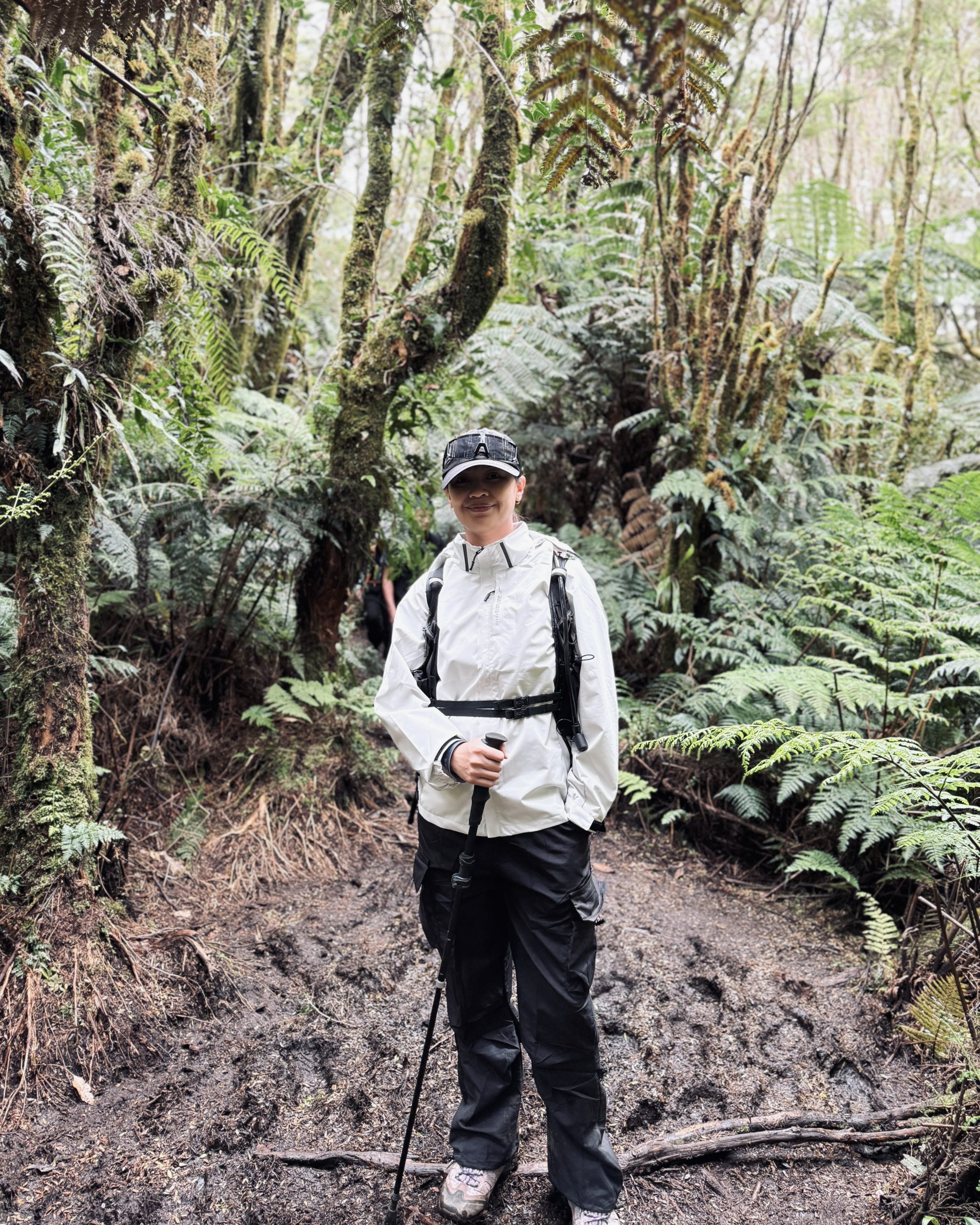
The 5.8km trail through the rainforest is a beautiful but steady climb over massive tree roots and lush greenery.
04:00 AM: Assembly (Davao City – Quimpo Chowking)
04:30 AM: Off to Kapatagan
07:00 AM: Breakfast in Kapatagan. Buy your on-trail lunch here.
08:30 AM: Start Trekking from De Sander Jump-off
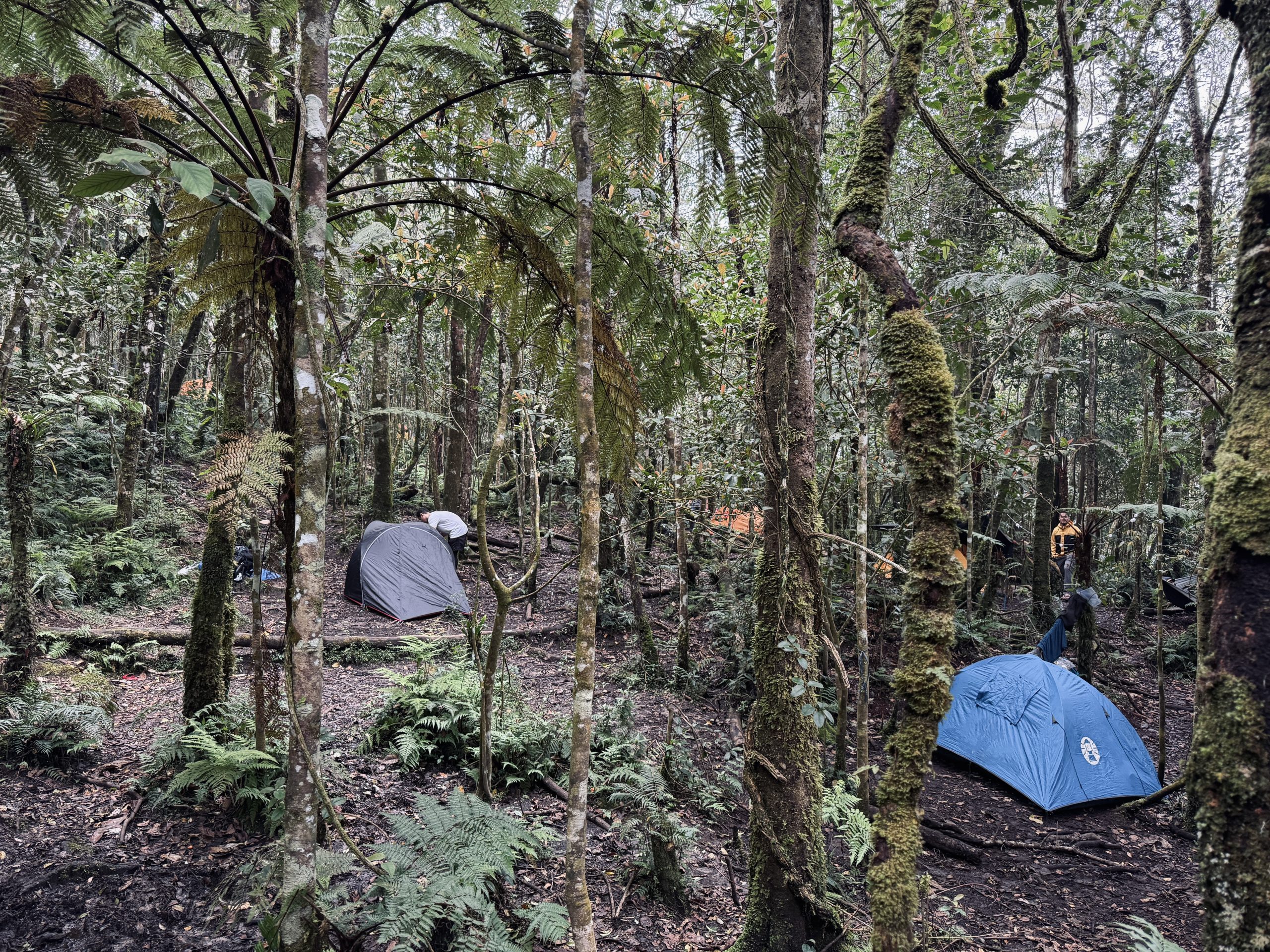
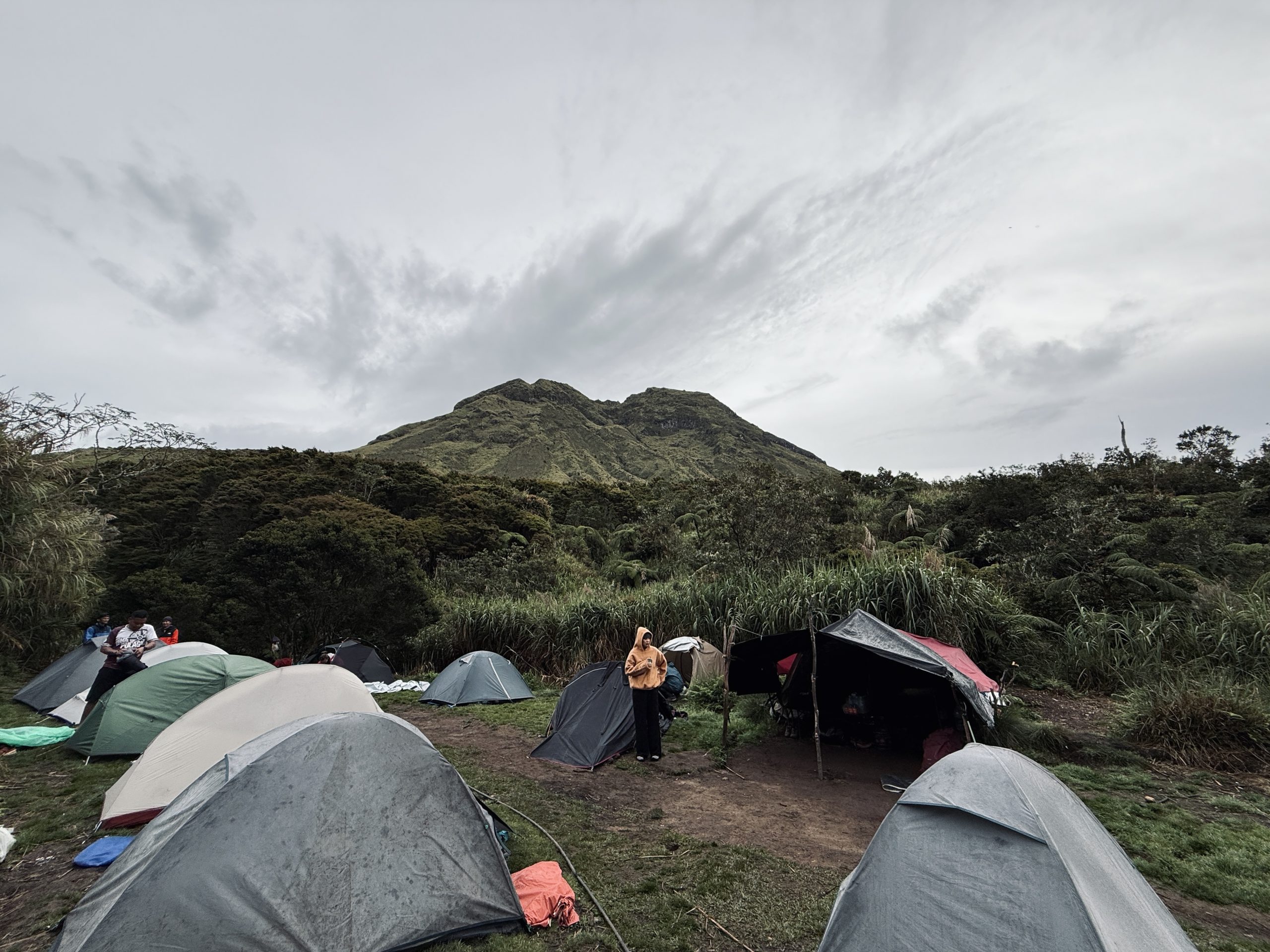
02:00 PM: Arrive at Tinikaran Campsite (Pitch tent & Rest)
06:00 PM: Dinner
08:00 PM: Lights Off
Reaching Tinikaran Campsite by mid-afternoon gives you enough time to pitch your tent (which is usually done already by the time you get there, thanks to the porter, they’re the best!), enjoy a hot meal dinner, and get some much-needed sleep before the midnight push.
Day 2: The Summit Push & The Boulders
Waking up at midnight feels surreal, but the adrenaline kicks in the moment you start ascending in the dark. This is the most iconic part of the journey—scrambling up the massive White Boulders with the smell of sulfur in the air.
Reaching the crater and seeing the view from one of Mount Apo’s peaks is a spiritual experience that makes every step of the ascent worth it.
03:30 PM: Arrive at Camp Reyes (Second night camp)
06:00 PM: Dinner
09:00 PM: Lights Off
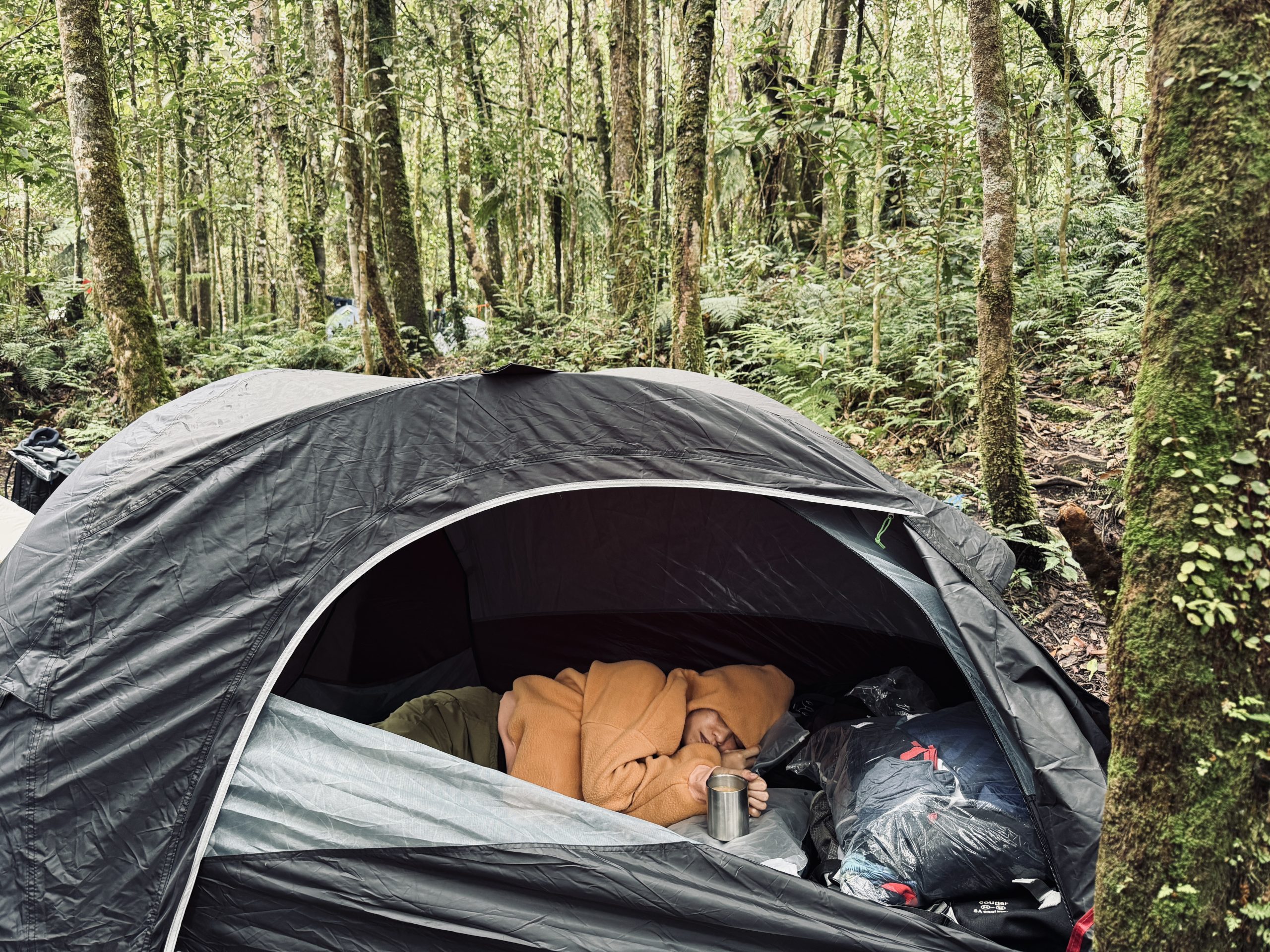
We ended the day descending to Camp Reyes, which is much colder, but the sense of achievement kept me warm.
I was sleeping for a long time when we reached the camp. Both my legs were really sore at this point.
Day 3: The Descent & Recovery
The descent toward the exit point at Sitio Balutakay from Camp Reyes is a 5-hour test for your knees, but the thought of the Mainit Hot Spring has kept me going.
05:30 AM: Wake Up Call
06:30 AM: Visit the majestic Lake Jordan (optional)
08:30 AM: Start descent
01:00 PM: Exit at Sitio Balutakay
02:00 PM: Wash up at Mainit Hot Spring (The best part!)
05:30 PM: Travel to Davao City
Soaking in those natural hot waters at the end of the trail was the perfect “thank you” to my body for getting me to the top and back. It’s the ultimate recovery before the long drive back to Davao.
To maximize your experience, book with a trusted organizer. I booked with Lakaw ni Paw — 𝓪 𝓷𝓪𝓶𝓮 𝔂𝓸𝓾 𝓬𝓪𝓷 𝓽𝓻𝓾𝓼𝓽.
The Med Cert is a must: You’ll need a signed and stamped medical certificate. Make sure to mention it’s for a high-altitude hike so they can really check if you’re fit to climb.
Paperwork: Your organizer will send you a Guest Form (usually a PDF). Fill it out and send it back along with a digital copy of your med cert. Once that’s done, you’re officially on the list!
While the paperwork is a formality, the real preparation happens within you. I truly believe you need to be ready in three ways:
Physically: You don’t need to be an elite athlete, but you do need to move! I made sure to go for daily walks and hit the gym leading up to the trip. And please—start hydrating now!
Mentally: This is where the magic happens. You need the “will” to reach the top. On the trail, I kept reminding myself: It’s not about who gets there first; it’s about the journey and the stories you’ll tell.
Logistically: Avoid the “last-minute panic” by creating a solid checklist. I’ve included my personal packing list below to help you out! Also, plan your outfits day-by-day. It’s the best way to avoid overpacking while making sure you’ve mastered the art of layering (which I’ll explain more about below!).
How To Get There
Getting to the starting point is pretty easy because everything usually starts in Davao City. This is the main pickup point for most hikers.
✈️ By Air: If you’re coming from Manila, Cebu, or Cagayan de Oro, you can fly directly to Davao International Airport.
🚗 By Land: If you’re living in a nearby region, you can just ride a bus or hire a private car (which is great if you’re traveling with a big group of friends!).
Once you’re in Davao, your organizer will pick you up at the pick-up point at the designated time, and drive you to the jump-off point.
Budget and Expenses when Hiking Mount Apo
Organizer Fee: ~₱7,500 (Use code Misskhae10 to book with Lakaw ni Paw for a 10% discount!). Inclusions of the organization fee are:
6 Hosted Meals
Guide Fee
Permit Fee
Entrance Fee
Round-trip Transportation (Davao City Pickup Point)
Certificate of Completion
Medical Cert: ~₱750
Porter Fee: ~₱800/day (Hire a porter! It supports the local community and saves your back.)
Porter Food: ~₱1,000 for 3 days.
MOUNT APO GUIDE PACKING LIST: Essential Things to Pack
I’m a big believer in “planned packing.” For my first hike to the summit, I listed everything down to the last sock to avoid overpacking while making sure I didn’t miss a single necessity. Here is exactly what was in my bag:
The Hiking Basics
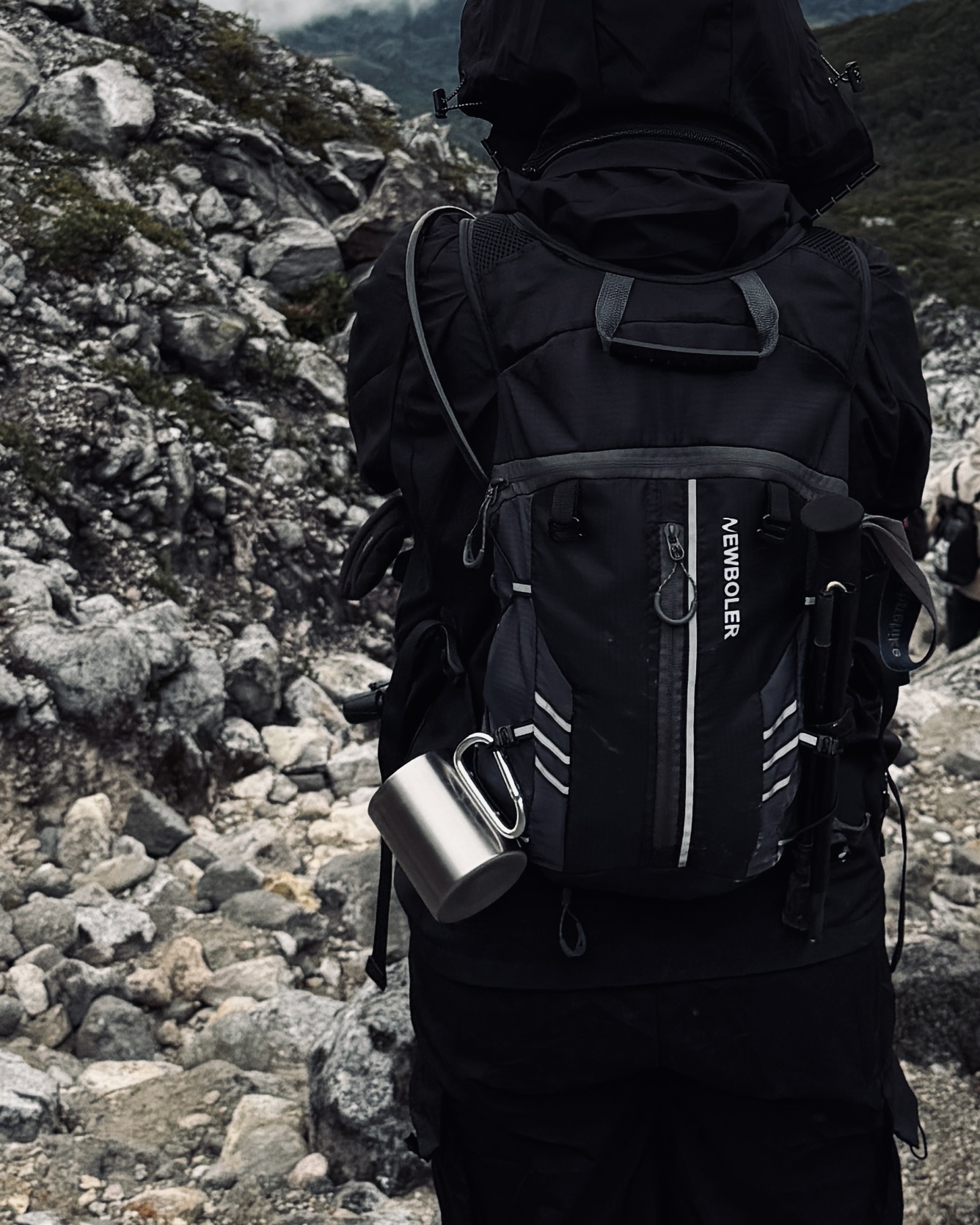
Hiking Bag with Rain Cover: Because the weather can be unpredictable.
Hydration Bag/Bladder: Much easier than reaching for a bottle every 5 minutes.
Tent: Make sure it’s a mountaineering tent, not a beach tent! It needs to withstand the wind and cold.
Sleeping Gear: Sleeping bag, heat insulator (to keep the ground cold away), and a fleece blanket or Malong for extra coziness.
Tools: Trekking poles, and a reliable head lamp with extra batteries.
The “Just in Case”: Umbrella or Poncho, and a quick-dry towel.
Kitchen Essentials: Your own utensils, cup, plate, and a trash bag (Leave No Trace, always!).
The Wardrobe (Layering is Life!)
Hiking Shoes with Good Grip: I cannot emphasize this enough! This will make or break your hike. I actually used thrifted trail shoes, and honestly, they were amazing. No blisters and zero slips!
Camp Footwear: Trek sandals or lightweight slippers for when your feet need to breathe at the campsite.
Outerwear: Rain jacket, windbreaker, and a heavy fleece or winter jacket.
Thermals: Heattech Long Sleeve Tops (one Ultra Warm, one Less Warm) and Ultra Warm leggings.
Accessories: Hiking gloves, Polarized shades, a cap, a bonnet, a mask/balaclava, and a scarf.
The Rest: Socks, Sports bras, Yoga Shorts, Cargo pants, Fleece pajamas, Dri-fit shirts, and Underwear.
Hygiene & Self-Care
Keep these in travel sizes to save on weight!
The Basics: Toothbrush, toothpaste, floss, mouthwash, and deodorant.
Skincare: Sunscreen (essential!), moisturizer, lip balm, and face mist to feel refreshed.
The Saviors: Wet wipes and dry tissue (you’ll thank me later), alcohol spray, and pantyliners.
Hair: Since it’s usually too cold to shower, dry shampoo is a total lifesaver!
Emergency Kit & Trail Foods
Don’t forget your “First Aid” for the muscles and the stomach:
Meds: Alaxan FR, Advil, Biogesic, Loperamide, and Berocca.
Muscle Care: Katinko Spray (for those cramps!), Salonpas, and essential oils.
Energy Boosters: My favorites were Pocari Sweat and Himalayan Salt Candy (the best electrolyte duo!). I also packed mixed nuts, chocolates, and protein sachets for that extra push.
Gadgets
Power Bank: To keep your phone and rechargeable headlamp alive.
Pro-Tip: Put your gadgets and wallet in ziplock bags to keep them dry.
Use earphones instead of speakers. Let’s keep the mountain sounds peaceful for everyone
WHAT TO WEAR WHEN HIKING MOUNT APO: My "Aesthetic but Cozy" Layering Guide
I am a total lamigin (cold-sensitive) girly, and let’s be real—we all want to look aesthetic for the ‘gram, even when we’re shivering at 9,000 feet! The secret is mastering the art of layering. You don’t want to look good but feel like you’re dying from the cold.
Here is exactly what I wore each day and how I managed the temperature shifts:
City to First Camp
We started in the warm humidity of Davao City, so I began with light layers that I could easily add to as we climbed higher.
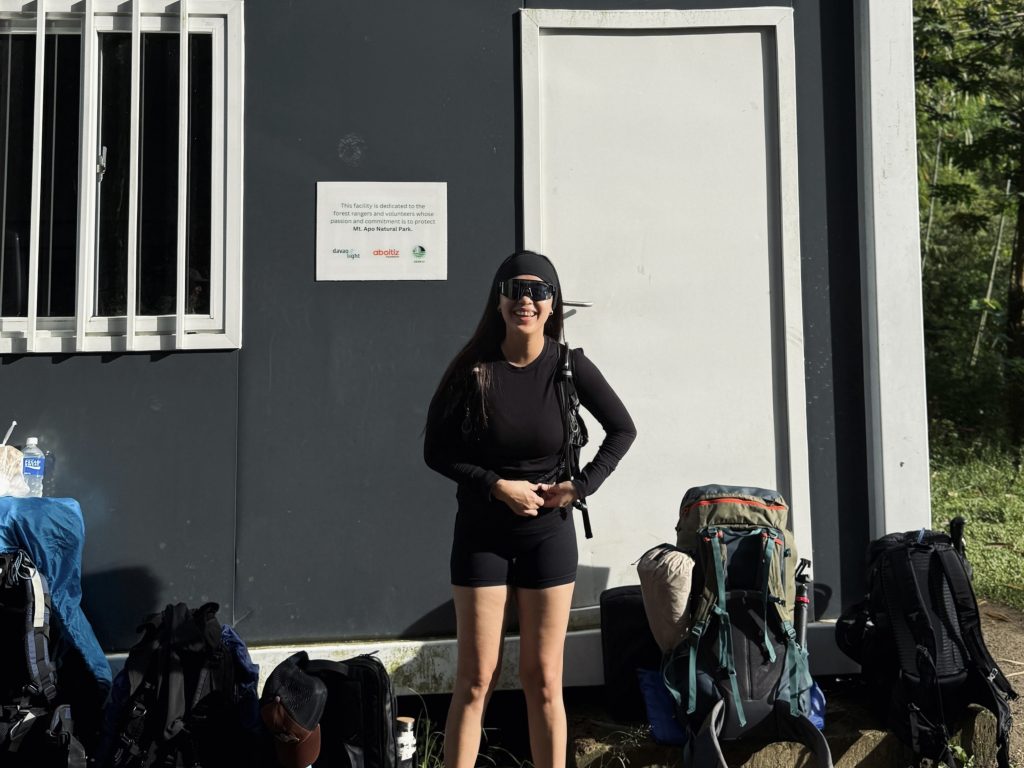
The Base: Sports bra + Uniqlo’s “Less Warm” Heattech long sleeve + Workout shorts.
Accessories: Mid-high socks, trail shoes, a headband, and polarized shades.
Once we hit the jump-off point in De Sander, I pulled out my “just-in-case” ziplock bag and layered on cargo pants, a yoga jacket, and a windbreaker.
At Camp: Tinikaran is chilly! I added a fleece and bonnet. Before bed, I freshened up and swapped to my Ultra Warm thermal top and leggings, plus thick socks for a cozy sleep.
Summit Ascend and Second Day Camp
This is when it gets serious. Since we started at midnight, I had to be fully geared up for the wind on the Boulders.
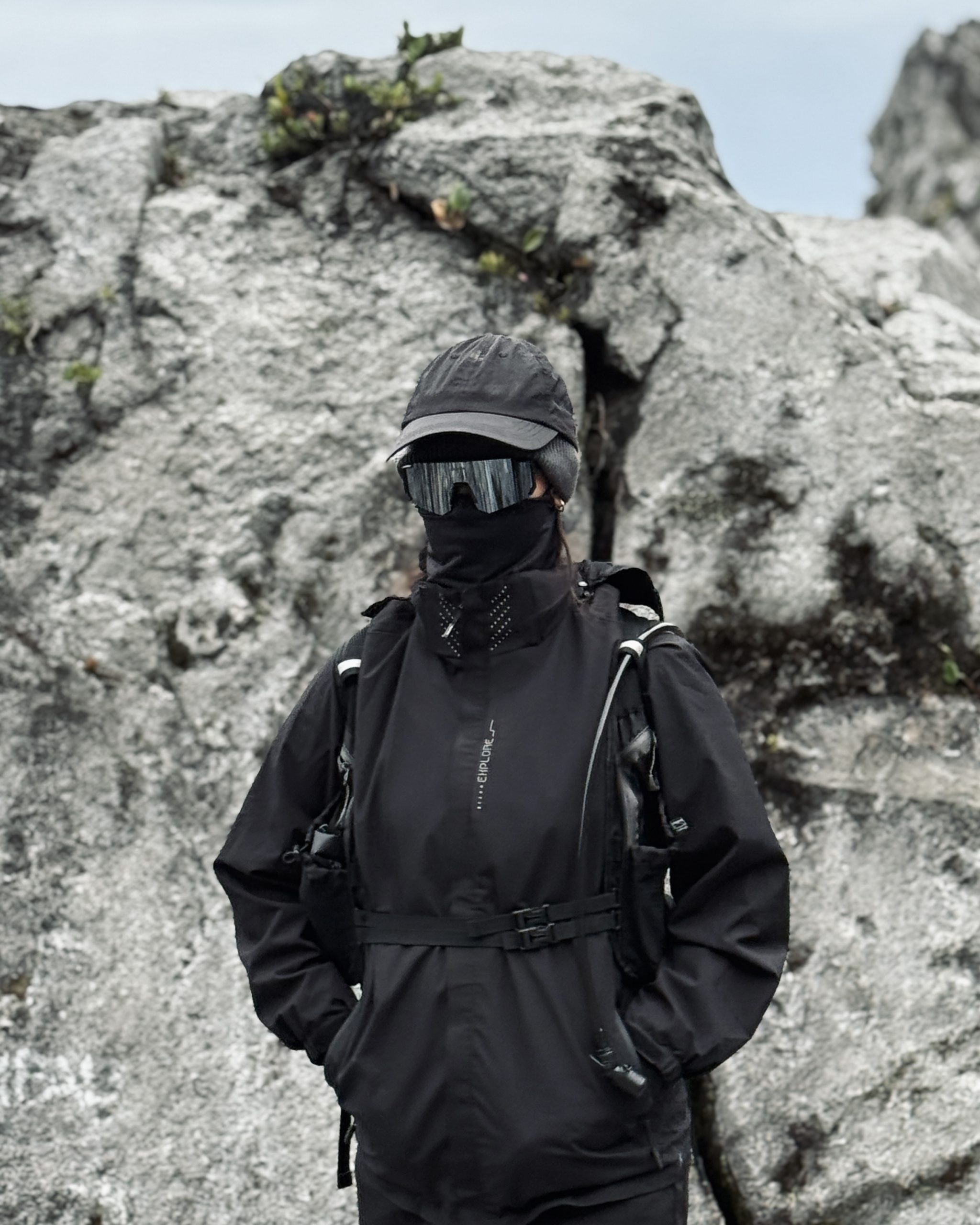
The “Summit Suit”: Sports bra + Ultra Warm thermal top & leggings + Yoga jacket + Rain jacket/Windbreaker + Cargo pants.
Extra Protection: Bonnet, mask (balaclava), hiking gloves, and my headlamp. I also packed a poncho.
Pro-Tip: Camp Reyes (the second night) is much colder than the first! I swapped into a fresh pair of Heattechs for sleep and even added a t-shirt and pajamas over them.
Second Camp to Exit Point
When you’re descending, you’re moving from the freezing heights in Camp Reyes back down to the heat at the exit point of Sitio Balutakay, so you need layers that are easy to shed.
The Trek Down: Sports bra + Dri-fit shirt + Windbreaker + Cargo pants (with yoga shorts underneath).
I kept my trekking sandals clipped to the outside of my bag so I could swap out of my heavy shoes easily.
At Mainit Hot Spring: Since I wore my yoga shorts and sports bra under my hiking clothes, I was already “pool-ready” when we reached the hot springs!
The Travel Home: I packed a separate “clean” set (cotton top and trousers) for the long van ride back to Davao.
Tip: If you’re too tired to mix and match outfits, just do what I did: Pack everything in all black. It looks sleek in every photo against the white boulders and green forest!
Mount Apo Travel Tips and Must Knows
Please always observe the law of the Ecosystem and the Mountaineer’s Creed.
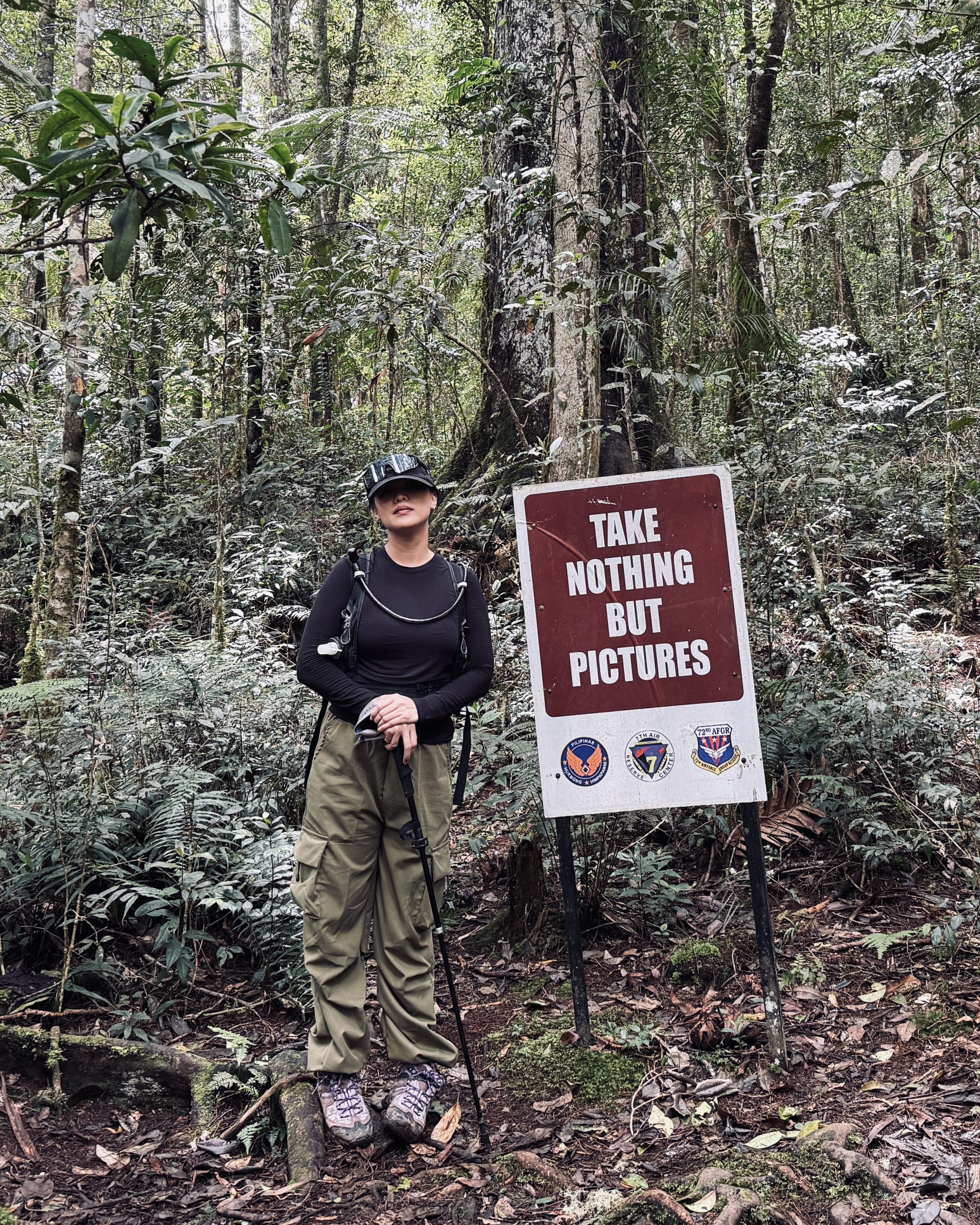
Take Nothing But Pictures
Leave Nothing but Footprints
Kill Nothing but Time
Bring Nothing but Memories
Water sources are stable at every campsite.
Comfort Rooms are available in every campsite. Bathing is not allowed either.
Cash is King: Porters and small stores on the trail only accept cash.
Disconnect: There is no signal at the campsites. Use your phone only for photos and enjoy the silence!
Where To Book Mount Apo Hike
In partnership with R.O.X. (Recreational Outdoor Exchange), Paw has created something truly special—a team that is dedicated to making sure you don’t just reach the summit, but that you actually enjoy the journey getting there.
If you want to know more about this organizer, read my sit-down chat with the man himself, Paw, as he shares an in-depth story about the entire team of Lakaw ni Paw, and why you should book with them.
Thanks for reading! ❤ I'm a solo female traveler, freediver, and coffee enthusiast sharing raw, inspiring stories from the road. I hope my adventures help spark yours! :>>






Pingback: Why Lakaw Ni Paw Is The Best Way To Experience Mt. Apo | MISSKHAE