
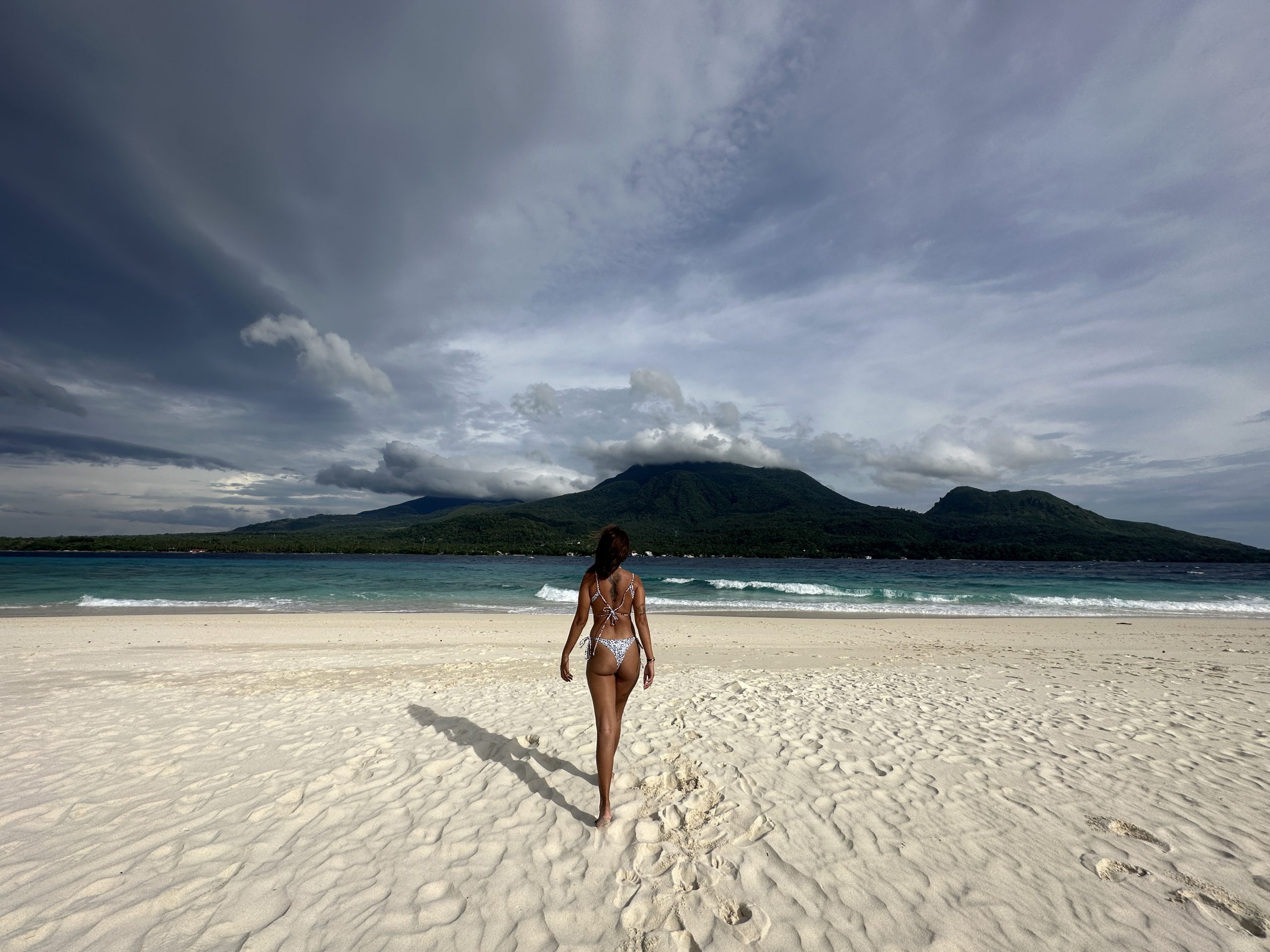
Solo travel in the Philippines can be exciting… and honestly, a little intimidating. One of the biggest questions people ask before booking a trip is, “How much will it actually cost?”.
After almost six years of traveling solo around the Philippines (and a few countries abroad), I’ve learned that solo travel isn’t necessarily cheap, but it also doesn’t have to be expensive. Most of the time, it comes down to knowing where your money goes and setting realistic expectations before your trip.
For context, my travel style falls somewhere between budget and mid-range. I love convenience and comfort, but I’m not someone who spends on luxury resorts every night. I enjoy slow travel, flexible itineraries, good coffee, local food, and experiences that make the journey memorable.
Everything you’ll find in this guide is based on what I personally spend as a solo traveler. Prices will naturally vary depending on the destination, travel season, and your own travel style, but these ranges should give you a realistic idea of what to expect.
Is Solo Travel in the Philippines Expensive?
It can be. Solo travel is almost always more expensive than traveling with friends because you’re paying for everything yourself.
Hotel rooms are priced per room instead of per person. Private tours don’t become cheaper just because you’re alone. Even boat rentals and transportation are often shared costs when traveling in a group.
That said, traveling solo also gives you complete freedom. You decide where to go, how long to stay, where to eat, and whether you want to splurge on a nice café or spend the afternoon watching the sunset on the beach.
For me, that freedom is worth the extra cost.
My Typical Daily Budget as a Solo Traveler
Here’s a realistic estimate of what I usually spend in a day.
| Expense | Estimated Budget |
|---|---|
| Accommodation | ₱800–3,000 |
| Transportation | ₱300–1,500 |
| Food & Coffee | ₱500–2,500 |
| Tours & Activities | ₱500–3,000 |
| Miscellaneous | ₱200–500 |
Of course, not every day looks like this.
Some days I’m simply working from a café and spending very little. Other days I’m island hopping, taking a private tour, or treating myself to a nice dinner.
Accommodation
Accommodation is usually one of the biggest expenses when traveling solo.
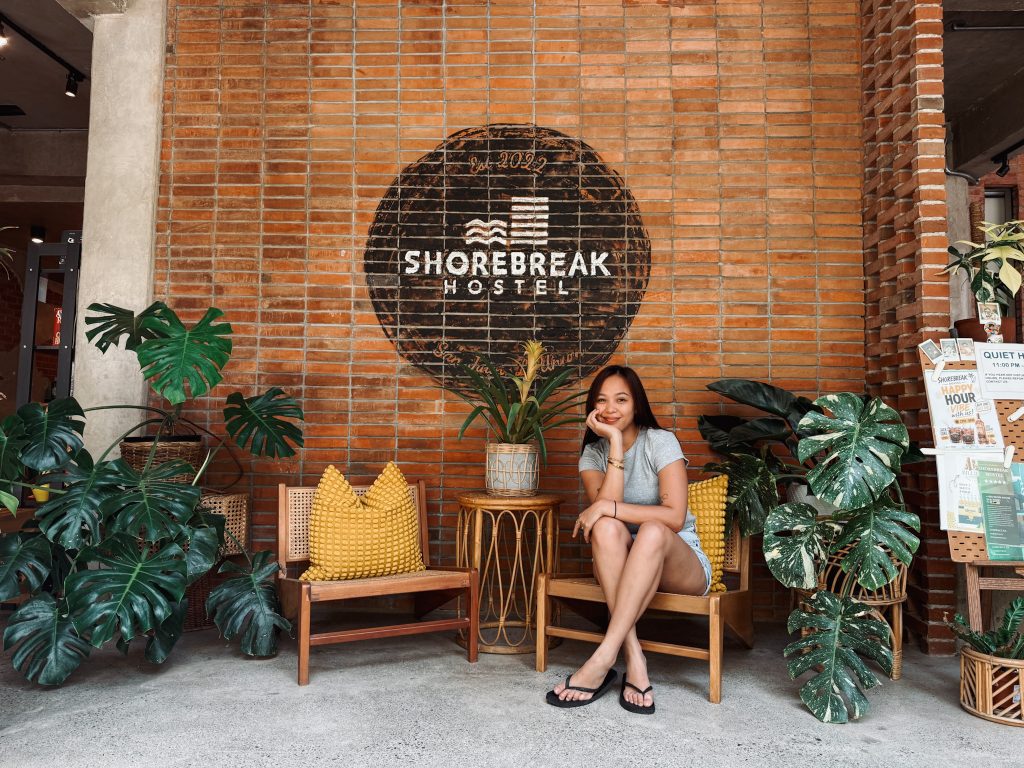
One thing many first-time travelers don’t realize is that hotels charge per room, not per guest. Whether one person or two people stay in the room, the rate is usually the same. Because of this, solo travelers don’t really get to “split the bill.”
I’ve stayed in almost every type of accommodation imaginable. From hostel dormitories and Airbnbs to family-run homestays, boutique hotels, and beachfront resorts. Here’s what I usually expect to pay, based on the budget per night.
- Accommodation – ₱800–2,000
- Hostel Dorm – ₱1,300–1,800
- Airbnb – ₱1,300–1,800
- Budget to Mid-range Hotel – ₱1,500–2,500
- Beach Resort – ₱2,500–3,500+
Personal Tips
- Book accommodations ahead during weekends, holidays, and peak season.
- For spontaneous trips, expect fewer choices and slightly higher prices.
- If breakfast is included, that’s already one meal you don’t have to think about.
- Read recent reviews before booking, especially if you’re working remotely and need reliable WiFi.
Transportation
Transportation isn’t just about getting from Point A to Point B. Sometimes, the journey becomes one of the most memorable parts of the trip.
I’ve had some of my favorite conversations with strangers during long bus rides, watched sunrise from my window seat, and passed through towns I would’ve never discovered if I had flown instead.
Slow travel isn’t for everyone, but if you enjoy the journey as much as the destination, those long rides become part of the experience.
Flights
Domestic airfare can either be incredibly cheap or surprisingly expensive.
Budget: ₱1,000 – 5,000+ one way
- Watch out for seat sales.
- Leave room in your itinerary for possible delays.
- Consider flying into one city and leaving from another instead of returning to your starting point.
- Travel light whenever possible to save on baggage fees.
Ferries
If there’s one region where ferries become your best friend, it’s the Visayas. Island hopping between provinces is incredibly convenient, and sometimes even more scenic than flying.
Budget: ₱800–2,000
- Tourist Class is usually worth paying a little extra for.
- Bring a light jacket because cabins can get cold.
- Seas can get rough during bad weather, so always check sailing advisories.
Bus
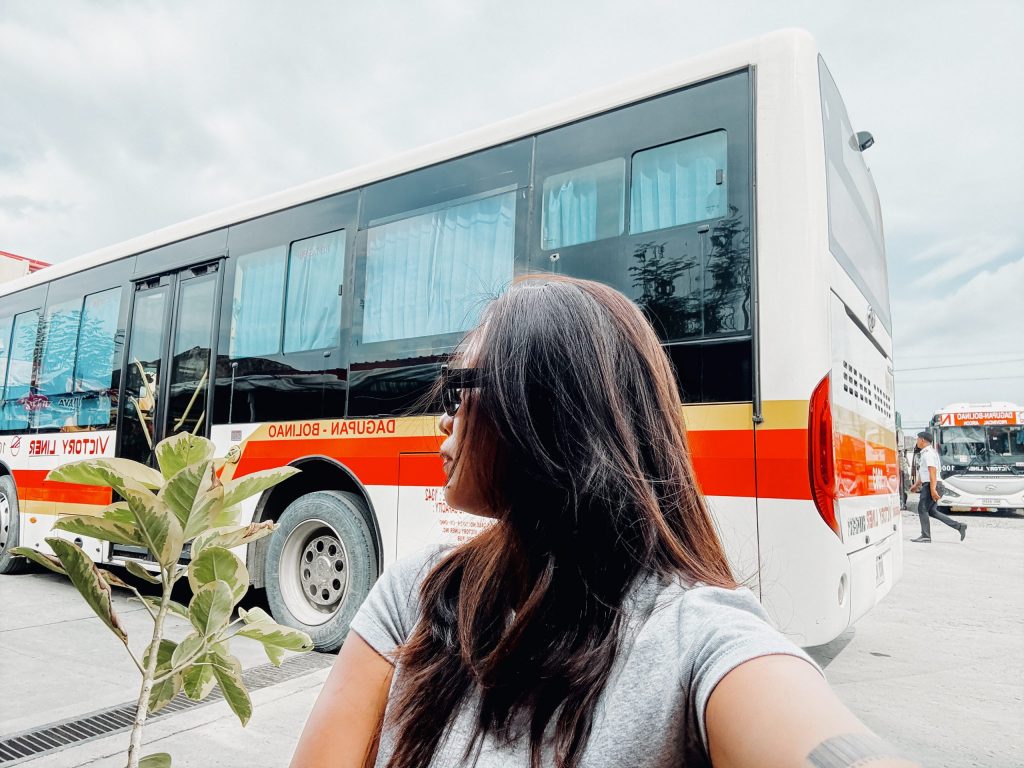
The Philippines has surprisingly good long-distance bus routes. In Luzon, you can travel from Manila all the way to Ilocos almost entirely by bus. In Mindanao, you can also explore multiple provinces without needing a flight.
Budget: ₱300–1,400
Sample Loop Routes:
- Northern Luzon Loop: Manila → Pangasinan → La Union → Vigan → Laoag → Pagudpud
- Mindanao Loop: Davao → General Santos → Koronadal → Cotabato → Cagayan de Oro → Bukidnon
Local Transportation
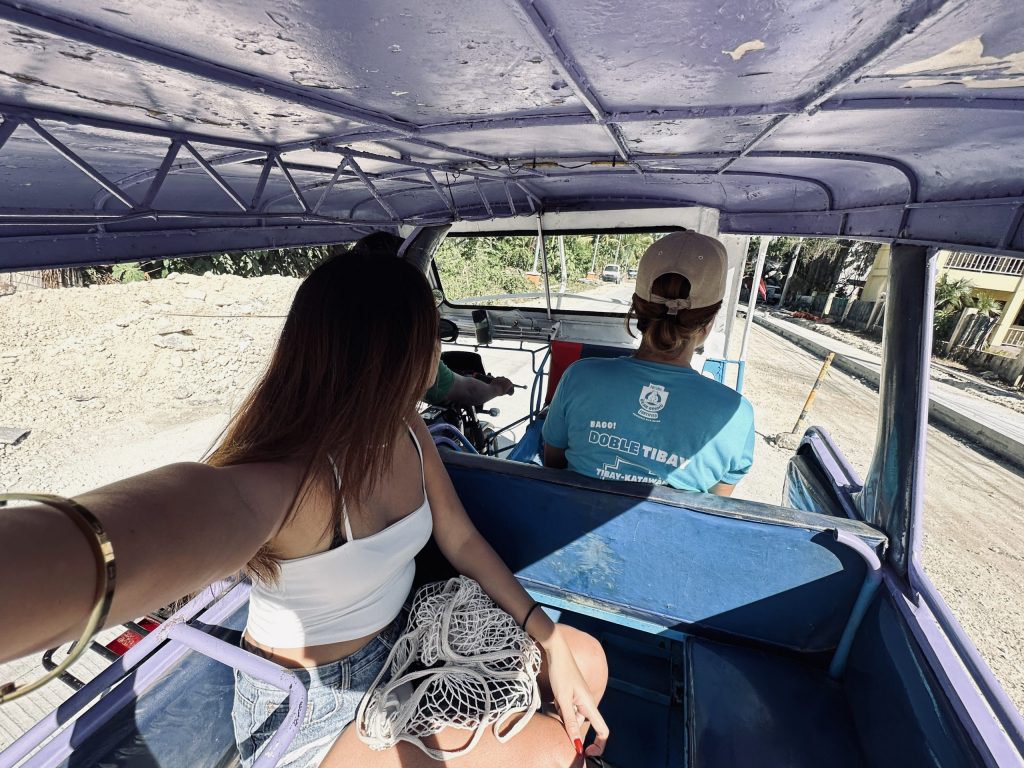
These are the rides you’ll probably use the most.
- Tricycle
- E-tricycle
- Jeepney
- Multicab
- Habal-habal
- TukTuk
- Taxi
- Grab
Budget: ₱20–200 per ride
In tourist destinations, expect to pay a little more than in cities. Don’t be afraid to politely ask for the fare before riding, especially when taking tricycles or habal-habal in smaller towns.
Tours & Activities
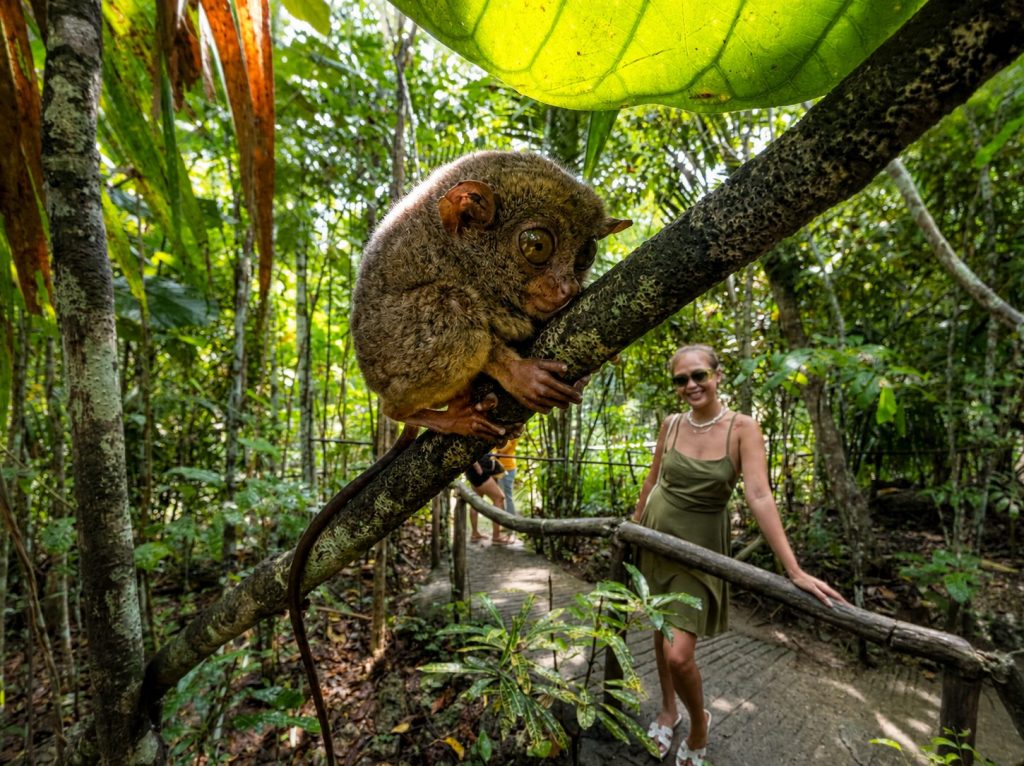
This is usually where solo travel becomes noticeably more expensive. Many tours in the Philippines are priced per vehicle or per boat instead of per person.
That means if you’re traveling alone, you often shoulder the full cost unless there’s a shared tour available.
Private Tours
Typical budget: ₱1,000–3,500
Some examples from my own trips include:
- Full-day Bohol Countryside Tour with private driver – around ₱3,000
- Full-day Danao Adventure Tour (Bohol) with private driver – around ₱2,500
- Half-day Panglao TukTuk Tour – around ₱1,000
- Full-day Siquijor TukTuk Tour – around ₱1,500
- Club Samal Day Tour with private transportation – around ₱1,500
- Private Balicasag Freediving Trip – around ₱3,000 (excluding dive guide, environmental fees, and entrance fees)
- Half-day La Union Shared Tricycle Tour – around ₱1,000
Entrance Fees
Budget: ₱0–1,500
Some attraction sites you can visit:
- Public parks
- Museums
- Waterfalls
- Beaches
- Nature parks
- Marine sanctuaries
- Hiking permits
- Environmental fees
Always bring cash because many smaller attractions don’t accept cards.
Gratuities
Tipping isn’t mandatory in the Philippines, but it’s always appreciated. Personally, I enjoy giving tips whenever someone goes the extra mile.
If a hiking guide encourages me when the trail gets tough, or a freediving guide patiently helps me improve my technique (or even takes amazing photos), I don’t mind showing my appreciation.
Typical gratuities I give:
- Tour guides: ₱100–250
- Boatmen: ₱100–200
- Porters: ₱50–100
- Restaurant staff: Optional
Food & Drinks
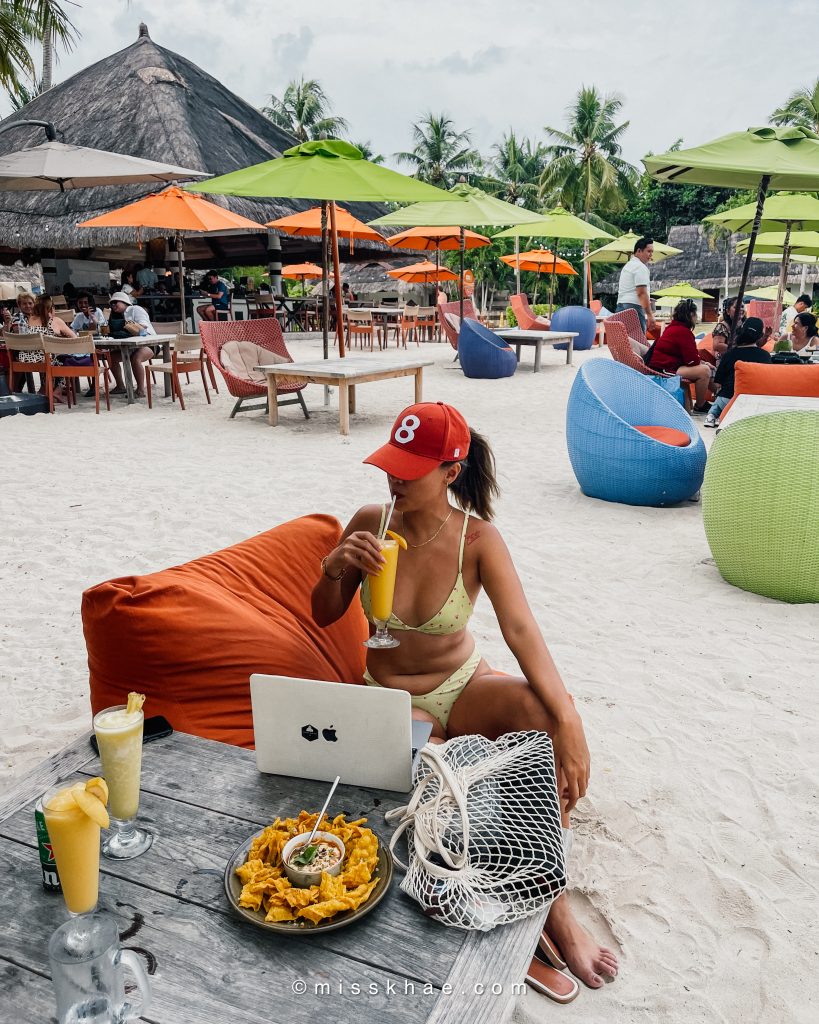
Food is one of the main reasons I travel. As a digital nomad, coffee is basically non-negotiable. I enjoy finding beautiful cafés to work from, trying local restaurants, and occasionally treating myself to really good food. Some travelers budget ₱300 a day for meals.
I don’t.
I’d rather spend a little more on experiences I’ll actually remember. These are usually my spending ranges per meal (including drinks).
- Local Eatery – ₱50–500
- Coffee Shop- ₱400–800
- Restaurant- ₱500–1,500
- International Cuisine – ₱1,000–3,500
- Snacks – ₱50–300
- Bar & Happy Hour – ₱200–1,500
If you’re trying to save money, book accommodations with free breakfast. It’s one less meal to worry about every morning.
Expenses People Often Forget
These small expenses don’t seem like much individually, but they add up surprisingly fast.
- Mobile Data or eSIM – ₱200–800. This is especially important if you’re relying on maps or working remotely.
- Laundry – ₱150–350 per load. Useful for trips longer than five days.
- Drinking Water – ₱30–100 per day. Buying bottled water every day can quietly eat into your budget. Bring a travel-friendly tumbler, and get it refilled in restaurants.
- Souvenirs – Even if you don’t plan on shopping, you’ll probably end up buying something.
- Emergency Cash – Not every destination accepts digital payments. Always keep enough cash for transportation, food, and accommodation in case ATMs are unavailable or card payments aren’t accepted.
A Realistic Solo Travel Budget
Here’s a rough guide on the estimated daily budget based on different travel styles and destinations.
- Backpacker – ₱1,500–2,500
- Budget Solo Traveler – ₱2,500–4,000
- Mid-range Solo Traveler – ₱4,000–6,500
- Comfort Traveler – ₱6,500+
Again, these aren’t strict rules. Some destinations are naturally cheaper than others, while places like El Nido, Coron, Boracay, or Siargao will likely require a higher budget.
Frequently Asked Questions about Solo Travel
Is solo travel in the Philippines worth it?
Absolutely. Solo travel gives you the freedom to travel at your own pace, change your plans whenever you want, and experience destinations in a more personal way. While it can be more expensive than traveling with a group, I find the independence and flexibility well worth the cost.
Is the Philippines good for first-time solo travelers?
Yes. The Philippines is a great destination for first-time solo travelers because English is widely spoken, locals are generally friendly and welcoming, and there are plenty of tourist destinations with established accommodations, transportation, and guided tours. Starting with popular destinations like Bohol, Cebu, Siquijor, or La Union can make your first solo trip easier.
Is solo travel in the Philippines safe?
Generally, yes. Most tourist destinations in the Philippines are safe for solo travelers, including solo female travelers. As with any destination, stay aware of your surroundings, avoid isolated areas at night, secure your belongings, and let someone know your itinerary when traveling to remote places.
Can I actually afford to travel solo in the Philippines?
Yes, but it depends on your travel style. Budget solo travelers can expect to spend around ₱2,500–₱4,000 per day, while mid-range travelers usually spend ₱4,000–₱6,500 or more. Since you’re traveling alone, you have complete control over where your money goes.
Is solo travel in the Philippines more expensive than traveling with friends?
Usually, yes. Hotel rooms, private tours, and transportation are often priced per room, vehicle, or boat instead of per person. Traveling with friends lets you split these costs, while solo travelers typically pay the full amount unless they join shared tours.
Is solo travel in the Philippines comfortable?
Yes, especially in well-developed tourist destinations. You’ll find plenty of accommodations, restaurants, coffee shops, and transportation options in popular areas. In more remote islands and smaller towns, comfort may depend on how much you plan ahead and your expectations.
How much should I budget for solo travel in the Philippines?
Here’s a realistic daily budget excluding flights:
- Backpacker: ₱1,500–₱2,500
- Budget Traveler: ₱2,500–₱4,000
- Mid-range Traveler: ₱4,000–₱6,500
- Comfort Traveler: ₱6,500+
Your actual expenses will depend on your destination, travel style, and activities.
What's the biggest expense when traveling solo?
Accommodation and private tours are usually the most expensive parts of solo travel because you’re not sharing the cost with anyone. If you’re looking to save money, consider staying in hostels or joining shared tours whenever they’re available.
Should I book accommodations in advance?
Yes, especially if you’re traveling during weekends, holidays, or peak season. Booking ahead usually gives you better prices and more accommodation choices. If you’re traveling spontaneously, expect fewer options and occasional walk-in rates that are higher.
What's the cheapest way to travel around the Philippines?
Public transportation is the most budget-friendly option. Buses are great for exploring Luzon and Mindanao, while ferries make island hopping around the Visayas easy and affordable. Once you’re at your destination, jeepneys, tricycles, e-trikes, and multicabs are usually the cheapest ways to get around.
What other expenses I should need to know as a solo traveler?
Many travelers budget for flights and accommodations but forget about smaller expenses that quickly add up, including:
- Environmental fees
- Mobile data or eSIM
- Laundry
- Drinking water
- ATM withdrawal fees
- Tips and gratuities
- Souvenirs
- Snacks and coffee
- Travel insurance
- Emergency cash
How many days should my first solo trip be?
If it’s your first time traveling alone, a 3-day, 2-night trip is a great starting point. It’s long enough to experience solo travel without feeling overwhelming. Once you’re more comfortable, you can gradually plan longer trips or even try slow traveling for a week or more.
Do I need to plan everything before my trip?
Not necessarily. It’s a good idea to book your flights and first few nights of accommodation in advance, especially during peak season. Beyond that, leaving room for flexibility can make solo travel more enjoyable. Some of my favorite experiences came from spontaneous detours, local recommendations, and staying a little longer in places I unexpectedly loved.
What's the best advice for someone traveling solo for the first time?
Don’t wait until you feel completely ready because you probably never will. Start with a destination that feels manageable, keep your itinerary simple, and give yourself permission to travel at your own pace.
If there’s one thing I’ve learned from traveling solo over the years, it’s that budgeting is about spending intentionally. Some people collect souvenirs. I collect experiences.
I would happily spend more on a memorable meal, a specialty coffee, a beautiful boutique hotel, or a private tour that allows me to explore at my own pace.
Solo travel isn’t the cheapest way to travel, but for me, it’s one of the most rewarding. If you’re planning your first solo adventure in the Philippines, don’t stress too much about getting every number exactly right.
Leave a little room in your budget for spontaneous moments, unexpected detours, and experiences you never planned for. Those often become the best stories you’ll bring home.

You’re such a diva 💅 for being able to travel solo – and successfully at that! Haven’t found the urge to travel solo myself but in case I would somehow someday, I sure will remember your tips and thoughts. Way to go queen! 👸
It’s fun and addicting, actually. I never even noticed I’ve been doing it for years. But in this economy, expensive magbyahe ng solo sa Pilipinas 😂